
How Powdered Metal Components Drive Innovation in the Automotive Industry
PM Distributors highlights how powdered metal components enhance automotive manufacturing, providing innovative and efficient solutions for vehicles.
Powdered metal components revolutionise the automotive industry by offering advanced solutions for manufacturing challenges. These materials provide unmatched benefits in terms of strength, weight optimisation, and design flexibility, making them indispensable in modern vehicle production.
Enhancing Performance with Powdered Metal Components in Automotive Manufacturing
Lightweight construction is a key focus in automotive manufacturing. Powdered metal parts enable intricate designs that reduce overall vehicle weight, improving fuel efficiency and handling without compromising performance.
Durability and strength are critical for automotive components. Powdered metal materials exhibit exceptional resilience, ensuring they perform reliably under demanding conditions and extend the lifespan of vehicles.
The adaptability of powdered metals allows manufacturers to create complex geometries that enhance functionality. This capability supports innovative designs while meeting specific performance requirements in automotive engineering.
Smart Factories Driving the Future of Powdered Metal Automotive Parts
Smart factories are transforming the production of precision-engineered parts through the implementation of automation in powder metallurgy. This technology enhances efficiency and accuracy, allowing manufacturers to produce high-quality components that meet the stringent demands of the automotive industry.
• Increased Production Speed: Automation accelerates the manufacturing process by reducing manual intervention. This leads to faster turnaround times for powdered metal parts, enabling manufacturers to meet market demands swiftly.
• Enhanced Precision: Automated systems ensure consistent quality and dimensional accuracy in every component produced. This precision is crucial for automotive applications where tolerances are critical for performance and safety.
• Cost Efficiency: Streamlined processes reduce operational costs associated with labour and material waste. The savings achieved can be reinvested into further innovation and development within the manufacturing process.
• Flexibility in Design: Automation allows for rapid adjustments in production lines to accommodate different designs and specifications. This adaptability supports the creation of custom components tailored to specific automotive needs.
• Improved Quality Control: Integrated monitoring systems provide real-time feedback on production quality. This capability helps identify issues early, ensuring that only components meeting high standards proceed through the manufacturing process.
• Sustainability Benefits: Automated manufacturing processes generate less waste compared to traditional methods. This aligns with industry goals for sustainability and environmental responsibility.
• Scalability of Operations: Automated systems can easily scale up or down based on production requirements. This flexibility ensures manufacturers can efficiently respond to fluctuations in demand without compromising quality.
• Worker Safety Enhancements: Automation reduces the need for human involvement in hazardous tasks, creating a safer working environment. This focus on safety not only protects workers but also optimises productivity by minimising downtime due to accidents.
Driving Innovation with PM Distributors
Powdered metal components drive advancements in automotive manufacturing by enhancing performance and streamlining automation processes. PM Distributors delivers tailored solutions that align with industry needs, ensuring superior quality and reliability for every application.
Browse our diverse collection of powdered metal components crafted to meet the unique demands of your business.
Related Blog: Why Should You Invest in Powder Metallurgy Components?
Supporting Context: Powdered Metal Components for the Automotive Industry
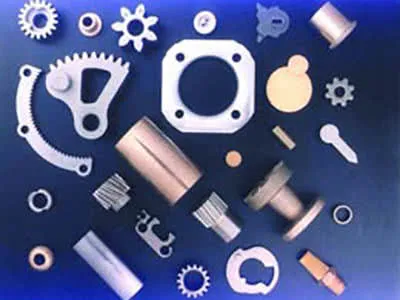
Sintered metal components enhance performance and reliability in various industries, with PM Distributors offering innovative solutions for your business.
Sintered metal components deliver superior performance and efficiency across various industries. These components are engineered to provide consistent quality, reduced production time, and enhanced durability, making them a reliable alternative to traditional machined parts.
Consistent Quality and Performance in Sintered Metal Components
Uniform material density characterises sintered metal units, guaranteeing consistent mechanical properties across all production batches. This reliability establishes them as a dependable choice for large-scale manufacturing operations.
Production efficiency represents another significant advantage of sintered metal units. The sintering process yields nearly finished parts that require minimal secondary machining, significantly reducing production time and enhancing delivery timelines.
Cost-effectiveness further sets sintered metal units apart from traditional machined parts. The decreased reliance on extensive machining not only lowers labour and operational costs but also allows businesses to optimise resource allocation without sacrificing quality.
Application of Sintered Metal Components in Various Industries
Sintered metal units are widely used across industries due to their ability to outperform machined parts in demanding applications. Their versatility and durability make them a preferred choice for manufacturers worldwide.
• Automotive Industry: Sintered metal units enhance fuel efficiency by reducing friction and wear in engine systems. Their lightweight design contributes to better overall vehicle performance and reduced emissions.
• Medical Devices: Precision-crafted sintered parts provide reliability in surgical instruments and diagnostic tools, ensuring accurate performance. Their biocompatibility makes them ideal for use in medical implants and healthcare equipment.
• Electrical Equipment: Sintered components enhance electrical conductivity and improve thermal management in electronic devices. These properties ensure stable performance and longevity in demanding electrical applications.
• Consumer Products: Durable sintered parts are widely used in household appliances and tools, offering extended lifespan and consistent performance. Their cost-effectiveness benefits both manufacturers and end-users.
• Aerospace Applications: Lightweight yet robust sintered parts reduce the overall weight of aircraft, improving fuel efficiency and operational safety. Their strength ensures reliability under extreme conditions encountered during flight.
• Industrial Machinery: High wear resistance of sintered components extends the operational life of machinery used in heavy-duty applications. This durability minimises downtime and maintenance costs for industrial operations.
• Construction Tools: Sintered metal parts are designed to endure harsh environments, making them ideal for construction equipment. Their resilience enhances tool performance and reduces the frequency of replacements.
Advancing Manufacturing Efficiency with Sintered Metal Products
Sintered metal components represent a transformative solution for manufacturers seeking enhanced efficiency and reliability in their operations. By integrating these advanced materials, PM Distributors enables businesses to achieve significant improvements in performance and cost-effectiveness.
Explore our extensive bearing stocks to discover how sintered metal units can elevate your manufacturing processes.
Learn more about Sintered Metal Components with this blog: A Comparison between Sintered Metal Components and Other Types of Components.
Related Content: Guide to Sintered Metal Products
Advanced powder metallurgy components from PM Distributors offer precision and innovation, pushing engineering boundaries in modern manufacturing.
Powder metallurgy components are reshaping the engineering landscape by facilitating the production of complex, high-precision parts. These components contribute significantly to advancements in various industries by enabling efficient material use and superior performance. Their versatility allows for the creation of intricate designs that meet the rigorous demands of modern technology.
Powder Metallurgy Components: Precision Manufacturing for Complex Designs
Powder metallurgy is a sophisticated manufacturing process that supports the creation of intricate components with unmatched precision. Its ability to shape materials into complex geometries while maintaining structural integrity is integral to industries such as aerospace, automotive, and healthcare. The process ensures that components meet stringent design and performance specifications, reducing variability in critical applications.
Engineers utilise powder metallurgy to achieve optimal material properties, including enhanced strength and controlled porosity. This level of control ensures each component delivers exceptional performance under demanding conditions, making it suitable for applications that prioritise reliability and durability. The flexibility in material choice further broadens the scope of its application, accommodating metals, ceramics, and specialised alloys.
Manufacturers benefit from reduced waste and increased production efficiency through powder metallurgy. The ability to consolidate multiple parts into a single, precise component eliminates unnecessary assembly steps. This streamlined process not only cuts costs but also improves the quality of the final product, demonstrating the value of powder metallurgy in advanced manufacturing.
Navigating Design Limitations in Powder Metallurgy Components
Even though powder metallurgy has many benefits, there are still certain technical difficulties. To optimise its potential, these constraints necessitate creative solutions. One such challenge involves maintaining uniformity in larger components, which may be constrained by the compaction and sintering processes.
The dependence on controlled sintering conditions highlights the precision required during manufacturing. Variations in temperature or pressure can lead to inconsistencies, impacting the reliability of the final product. Addressing these challenges requires rigorous process optimisation and advanced technological interventions.
Challenges associated with powder metallurgy components encompass:
• Dimensional Constraints: Larger components face challenges in achieving uniform density and structural consistency.
• Material Selection: Specific applications may require materials with characteristics that are difficult to achieve through powder metallurgy.
• Sintering Challenges: Variability in sintering conditions can compromise the strength or shape of the components.
• Porosity Regulation: Controlling porosity levels is a complex process that affects both performance and durability.
• Surface Finish Issues: Additional post-processing may be required to achieve desired surface quality for certain applications.
• Design Complexity: Extremely intricate designs may exceed the technical limitations of current powder metallurgy techniques.
Powder metallurgy evolves steadily, offering refined and efficient methods to tackle complex engineering challenges with precision. Its applications continue to expand across innovation-driven industries, reinforcing its importance in advancing manufacturing standards.
PM Distributors, based in Dandenong South, Victoria, specialises in providing advanced powder metallurgy components and bearings tailored to meet the unique requirements of your business. Our extensive inventory ensures reliable access to high-quality products designed to support precise and efficient engineering applications. Refine your manufacturing capabilities by integrating our advanced powder metallurgy technologies.
Sintered oil-impregnated bearings from PM Distributors in Australia offer a low-maintenance solution for industrial applications. Ensure enhanced longevity.
When it comes to durable and efficient solutions for industrial machinery, sintered oil-impregnated bearings are a standout choice. These self-lubricating components reduce friction, require minimal upkeep, and deliver exceptional longevity. At PM Distributors, we provide high-quality bearings across Australia, ensuring your operations run smoothly with reduced downtime and maintenance costs.
What are Sintered Oil-Impregnated Bearings?
Sintered oil-impregnated bearings are a type of self-lubricating bearing made from powdered metal that undergoes a process called sintering. During sintering, the metal powder is compressed and heated to just below its melting point, forming a porous structure. These tiny pores are then filled with lubricant, typically oil, which is retained within the bearing material. As the bearing operates, the lubricant is released gradually, ensuring consistent lubrication throughout its lifecycle.
This design eliminates the need for frequent re-lubrication, making it a low-maintenance solution ideal for applications where regular servicing is impractical.
Key Features of Sintered Oil-Impregnated Bearings
Some notable features of sintered oil-impregnated bearings are as follows:
• Self-Lubrication The self-lubricating property is the hallmark feature of sintered oil-impregnated bearings. The porous structure acts as a reservoir, continuously releasing lubricant to reduce friction and wear. This not only enhances performance but also reduces the need for manual lubrication, saving time and resources.
• Longevity and Durability These bearings are designed to withstand harsh operating conditions, including high temperatures and heavy loads. The consistent lubrication reduces wear and tear, extending the bearing’s lifespan and ensuring long-term reliability.
• Low Maintenance Because they do not require frequent re-lubrication, sintered oil-impregnated bearings are an excellent choice for hard-to-access machinery or equipment that operates continuously. This reduces downtime and maintenance costs.
• Cost-Effectiveness The extended service life and reduced maintenance requirements translate into significant cost savings over time. These bearings are often more affordable than other options requiring frequent attention.
• Versatility Sintered oil-impregnated bearings are suitable for a wide range of applications, including electric motors, automotive components, household appliances, and industrial machinery. Their adaptability makes them a versatile solution for various industries.
Considerations for Optimal Performance
While sintered oil-impregnated bearings are low-maintenance, certain factors can influence their performance and longevity.
First, ensure the bearing is suitable for the specific application, particularly in terms of load, speed, and temperature. Proper installation is likewise crucial to avoid misalignment or unnecessary stress on the bearing, which can lead to premature failure.
While these bearings are robust, exposure to excessive dirt, moisture, or corrosive substances can impact their effectiveness. Using seals or protective covers can help mitigate these risks.
And although maintenance requirements are minimal, occasional checks can help identify potential issues before they escalate.
Sintered oil-impregnated bearings are a testament to how innovative engineering can simplify complex challenges. Their self-lubricating design, durability, and versatility make them an indispensable choice for industries ranging from automotive to industrial manufacturing. Whether you’re looking to optimise machinery performance, minimise maintenance costs, or extend equipment lifespan, sintered oil-impregnated bearings are a proven low-maintenance solution for longevity.
Elevate your machinery’s performance by partnering with PM Distributors for premium sintered oil-impregnated bearings.
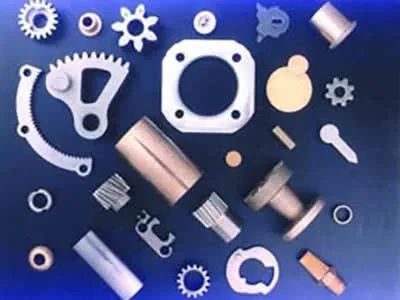
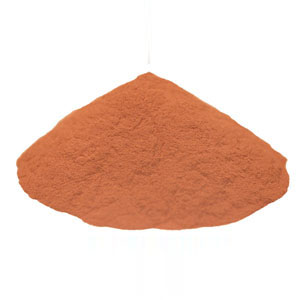
Sintered component production using Indian brass powder offers a sustainable option for industries. PM Distributors offers high-quality solutions in Australia.
Sintered component production is revolutionising industries with sustainable materials, and Indian brass powder is making its way to the top. This eco-friendly material provides excellent strength, durability, and precision, making it ideal for a range of applications. PM Distributors, based in Australia, offers premium sintered component production services, helping businesses adopt greener practices without compromising on performance.
Indian Brass Powder for Sintered Parts
India is one of the leading producers of brass and is home to a thriving brass powder industry. The country’s brass powder is derived from high-quality copper and zinc, ensuring superior material properties that are essential for sintered components.
Indian brass powder has a variety of characteristics that make it a valuable material for sintered components. Some of them are as follows:
1. Corrosion Resistance: Brass is highly resistant to corrosion, which is crucial for components exposed to harsh environments. This resistance helps increase the lifespan and performance of sintered parts, reducing the need for frequent replacements and lowering overall costs.
2. Electrical Conductivity: Brass, particularly alloys with higher copper content, offers excellent electrical conductivity. This property makes it an ideal material for sintered components used in electrical and electronic devices, ensuring efficient performance.
3. Malleability and Durability: Brass combines malleability with durability, allowing manufacturers to create sintered parts that are both strong and flexible. This makes it suitable for applications where both toughness and the ability to undergo deformation without failure are required.
4. Sustainability: Indian brass powder is made from high-quality, recycled scrap brass material, which contributes to the reduction of waste and conserves resources. The recycling of brass powder reduces energy consumption and overall emissions in production, making it a sustainable alternative to virgin metal sources.
Sustainability with Indian Brass Powder
The sustainability of brass powder in sintering goes beyond its raw material composition. Here are a few reasons why Indian brass powder stands out as a sustainable option:
• Reduced Material Waste: Sintering allows for the precise use of material, reducing waste typically associated with subtractive manufacturing processes. This contributes to a more efficient use of resources, reducing the overall environmental footprint of production.
• Energy Efficiency: The sintering process generally requires lower energy input than traditional metal casting methods, which require higher temperatures and longer processing times. Brass powder, being a well-established material, can be sintered at lower temperatures, resulting in energy savings and reduced CO2 emissions.
• Recyclability: Brass is fully recyclable, and the use of recycled brass powder in sintering ensures that valuable materials are reused instead of being disposed of. This closed-loop process supports a more sustainable production cycle, helping to preserve natural resources.
As industry leaders in sintered component manufacturing, PM Distributors offers extensive metal powder solutions including aluminium, stainless steel, fine graphite, tin, zinc, copper, and brass variations including Indian brass. Our technical expertise ensures precise manufacturing across varied specifications for your unique requirements.
Contact us to discuss your custom-sintered component needs.
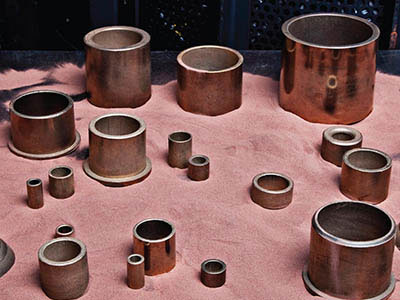
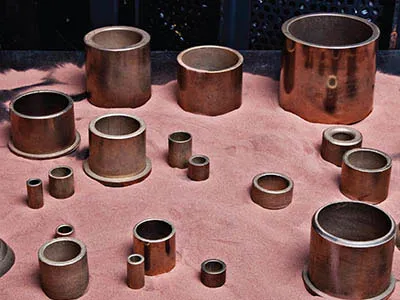
Super Oilite bearings from PM Distributors in Australia boost machinery performance with superior lubrication, reducing wear and enhancing efficiency.
In industrial machinery, Super Oilite bearings have become a game-changer for performance and durability. These self-lubricating bearings are engineered to reduce friction, minimise wear, and extend the lifespan of various mechanical components. So, whether you’re operating heavy-duty equipment or precision instruments, upgrading to Super Oilite bearings can significantly improve operational performance and lower maintenance costs.
Properties of Super Oilite Bearings
Super Oilite bearings are self-lubricating, porous bronze bearings designed to provide low-friction and maintenance-free performance. These bearings are part of the Oilite® bearing family, known for their unique oil-impregnated design that allows them to operate without needing external lubrication.
Super Oilite bearings, in particular, are engineered for high-performance applications where enhanced strength, wear resistance, and heat dissipation are essential.
Some notable properties of these bearings are as follows:
• Material Composition: Made from a high-strength bronze alloy, typically containing a mix of copper, tin, and other elements to increase durability and performance. The bearings are impregnated with oil, usually about 19-30% by volume, using a vacuum process that ensures a uniform distribution of lubricant throughout the bearing material.
• Self-Lubricating: The porous structure of the bronze allows it to store lubricant within its cavities. During operation, the heat generated causes the oil to expand and flow to the bearing surface, providing continuous lubrication. Once the bearing cools down, the oil is reabsorbed into the bearing’s pores, ensuring it remains lubricated over time.
• Enhanced Load Capacity: Super Oilite bearings are designed to handle higher loads and more demanding applications compared to standard Oilite bearings. Their increased strength makes them suitable for applications involving heavy loads, high speeds, and elevated temperatures.
• High Wear Resistance: These bearings offer excellent resistance to wear, reducing the need for frequent replacements and maintenance. Their ability to resist galling and seizing ensures smooth, reliable operation, even under heavy loads.
• Operating Temperature Range: Super Oilite bearings can typically operate effectively in temperatures ranging from -40°C to 200°C (-40°F to 392°F). This makes them suitable for applications in challenging environments where temperature fluctuations are common.
Enhancing Machinery Performance
All these properties allow Super Oilite bearings to be effective in enhancing machinery performance, especially in industries that require low maintenance, durability, and high performance.
Common applications of these bearings include:
• Automotive: Super Oilite bearings can be used in various engine components, transmissions, and suspension systems.
• Industrial Machinery: They are also ideal for high-speed machinery, conveyors, and pumps where reliable performance is critical.
• Aerospace: They can likewise be utilised in aircraft components that require lightweight, self-lubricating materials to reduce maintenance.
• Agricultural Equipment: Super Oilite bearings can be found in heavy-duty farm machinery where dust and dirt can cause issues for traditional bearings.
• Electric Motors: Super Oilite bearings can even be employed in electric motor assemblies to reduce friction and increase efficiency.
Super Oilite bearings are a reliable and efficient solution for applications that demand low maintenance, high durability, and enhanced performance. Buy these bearings today at PM Distributors to enhance the performance of your industrial machines.
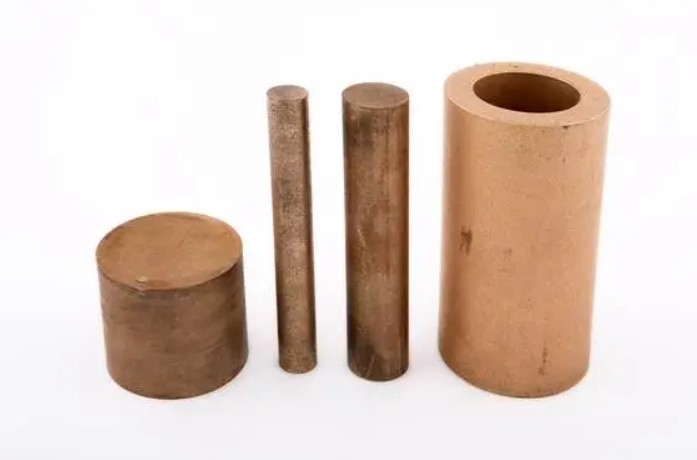
Get to know the applications of sintered solid bars in modern engineering projects in Australia. Available at PM Distributors, elevate your projects today!
Sintered solid bars are transforming modern engineering, offering precision, strength, and durability across projects in the automotive, aerospace, and energy sectors. With customisable properties and efficient material use, these components support cutting-edge applications, from wear-resistant gears to corrosion-resistant oil valves.
How Sintered Solid Bars Are Made?
Sintered solid bars are created through a process called powder metallurgy, which involves compressing and heating powdered metal to form a dense, solid structure. This method is commonly used to produce parts with high precision and strong mechanical properties.
Here’s a breakdown of the steps involved in making sintered solid bars:
• Preparation: This step involves creating metal powders through atomisation, which sprays molten metal to form fine particles. The powder can be a single metal or a combination, enabling custom alloys. Screening and mixing are then done to ensure consistent particle size and composition.
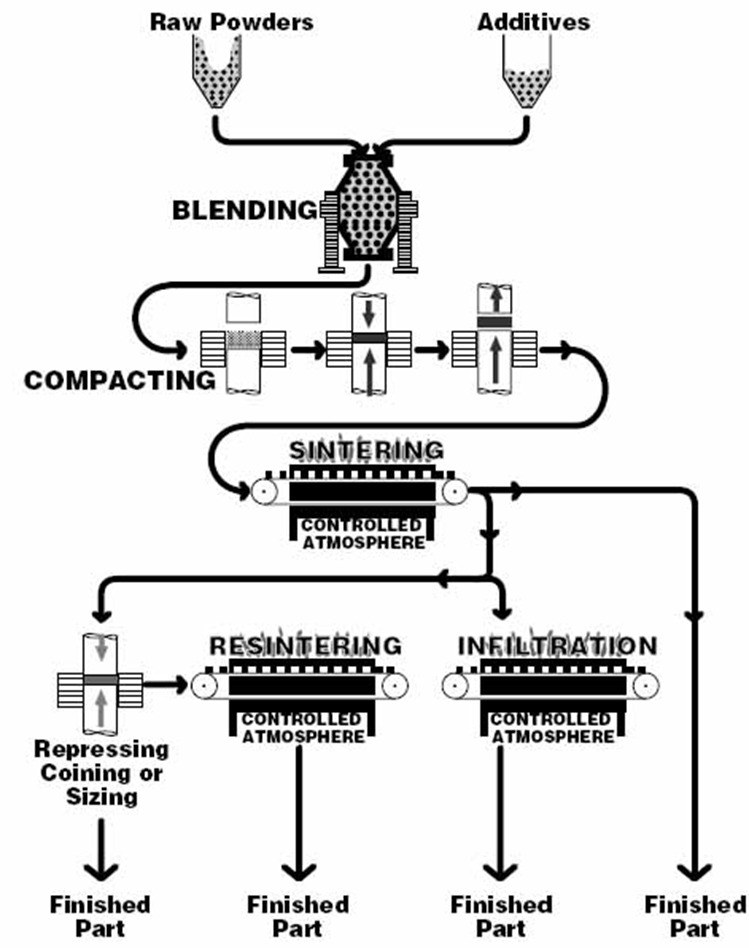
• Compacting: During this step, the powder is placed and pressed in a die under high pressure to form a “green compact” with the desired shape. This step binds the powder particles.
• Sintering: Sintering is done to heat the compacted powder metal in a controlled atmosphere furnace to just below the melting point of the primary metal. It allows particles to bond at a molecular level, increasing density and mechanical strength. The result is a solid, fused structure.
• Optional Secondary Processes: Re-pressing, machining, or surface treatments can be done to further enhance the properties of the sintered product. Additional heat treatments like annealing can then strengthen the material or relieve internal stresses.
• Quality Control: Quality control checks the finished bars for density, structural integrity, and dimensional accuracy. Surface finishes can also be applied to meet quality standards.
Sintered Solid Bars in Modern Engineering
Sintered solid bars, renowned for their exceptional durability, precision, and versatility, have become highly significant in modern engineering. Their unique manufacturing process ensures controlled porosity, precise alloy composition, and enhanced mechanical properties, making them an ideal choice for high-performance applications.
Here are some notable examples of how sintered solid bars are utilised in modern engineering projects:
• Automotive Components: Sintered bars find applications in various automotive components, including gears, bearings, and bushings. These components are designed to withstand the demanding wear and tear of engines and transmissions.
• Aerospace Applications: In the aerospace field, sintered bars help in producing lightweight yet durable parts for aircraft and spacecraft. By utilising sintered materials, engineers can achieve fuel efficiency without compromising on strength, contributing to the overall performance and sustainability of these advanced systems.
• Industrial Machinery: Sintered bars are integral to industrial machinery, particularly in high-pressure pumps and compressors. Their strength, durability, and exceptional wear resistance can ensure optimal performance and minimise downtime.
• Oil and Gas Industry: Sintered bars can also be useful in the oil and gas industry, particularly in drilling components. Their strength and exceptional wear resistance enable them to handle the abrasive environments encountered during oil and gas extraction.
• Construction and Heavy Equipment: Sintered bars are widely used in hydraulic components, such as cylinders, valves, and pumps. They offer durability under high-pressure and high-stress conditions, making them reliable in various heavy-duty applications.
Sintered solid bars offer significant advantages in terms of customisation, durability, and performance. To gain access to quality sintered solid bars, contact PM Distributors today!
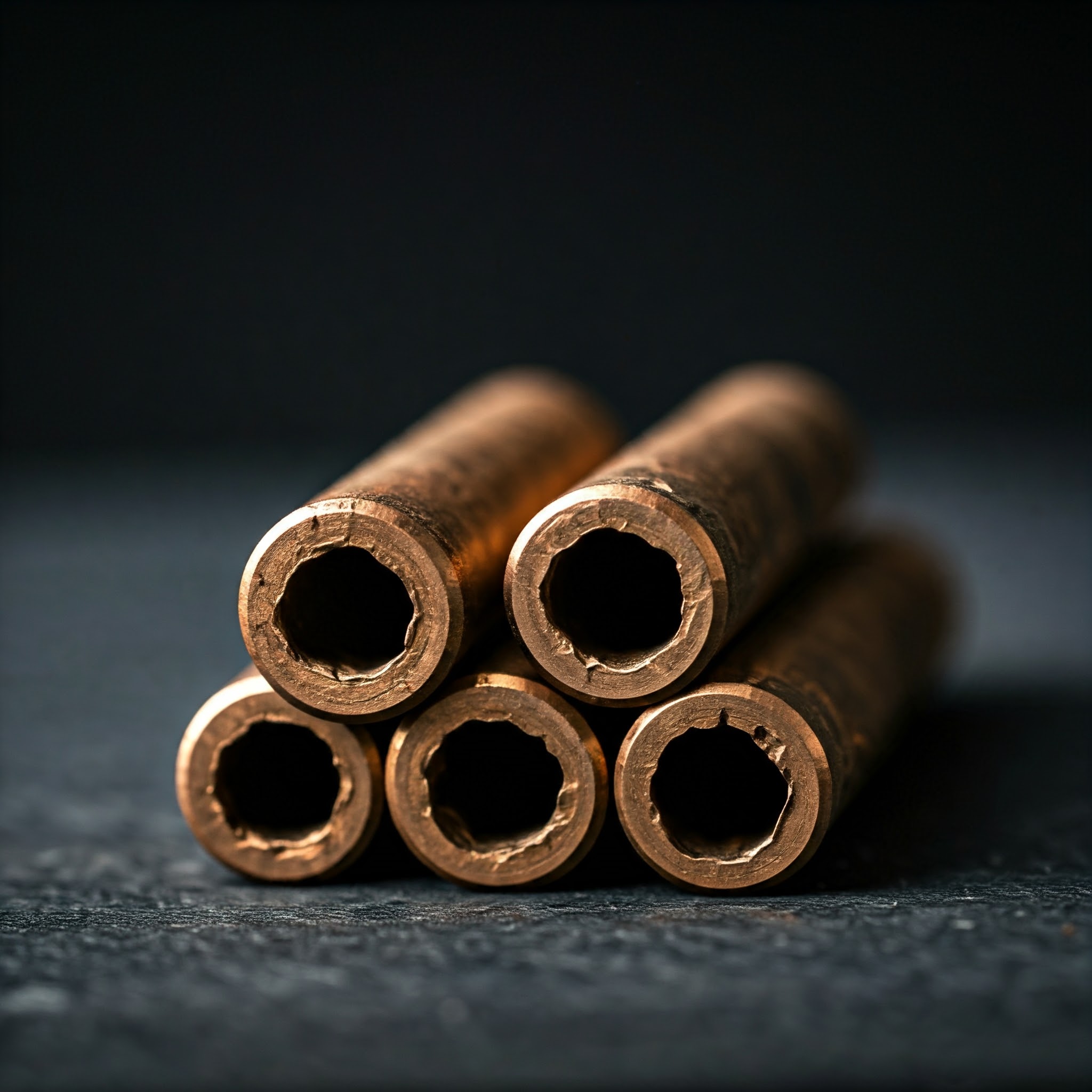
Know why sintered bronze bars are the go-to choice for high-temperature environments. Available at PM Distributors, maintain performance under stress.
Sintered bronze bars have emerged as a preferred material in high-temperature environments due to their exceptional properties. Known for their strength and thermal stability, these bars perform reliably in demanding conditions, making them highly significant in various industries.
Explore how sintered bronze bars are made and why they are ideal for high-temperature applications.
The Powder Metallurgy Process
The powder metallurgy process of sintered bronze bars consists of several key steps.
It begins with the production of bronze metal powders, which can be achieved through various methods such as atomization, where molten metal is disintegrated into fine particles, or milling, where bulk metal is mechanically broken down. Once the powders are obtained, they may be blended with other powders or additives to enhance specific properties. This mixture is then compacted into a desired shape using a press, creating what is known as a “green” compact.
The next critical step is sintering, where the compacted green part is heated in a controlled environment to a temperature below the metal’s melting point. It allows the particles to bond together without fully melting, resulting in a solid component with improved strength and density.
After sintering, the part may undergo additional processes such as machining, heat treatment, or surface finishing to meet specific dimensional and performance requirements.
Why Use Sintered Bronze Bars?
There are plenty of industries that take place in high-temperature environments. Fortunately, sintered bronze bars can be useful in these environments for the following reasons.
1. Thermal Stability: Sintered bronze bars can withstand high temperatures without losing their structural integrity. This property is essential in applications where parts are exposed to intense heat, such as in engines or industrial machinery.
2. Low Thermal Expansion: These bars exhibit minimal thermal expansion, meaning they won’t warp or deform under heat stress. Their low thermal expansion ensures precise fits and functions in most mechanical systems in various industries.
3. Wear Resistance: The sintering process creates a dense material that resists wear and tear, making it suitable for applications involving friction and high loads. The durability of sintered bronze bars translates to longer service life for components.
4. Self-Lubrication: Sintered bronze contains solid lubricants, which reduce friction between moving parts. This self-lubricating feature is advantageous in high-temperature environments where traditional lubrication methods may fail.
5. Corrosion Resistance: Sintered bronze has inherent corrosion resistance, making it suitable for various harsh environments. This particular quality is critical in applications where moisture or chemicals could compromise performance.
Invest in Sintered Bronze Bars
Sintered bronze bars can benefit several high-temperature environments. For one, they can be used in engine components and bearings, where temperatures can reach extreme levels. They are also ideal for parts in high-performance engines and transmissions.
They are even suitable for machinery that operates under high thermal loads, such as furnaces and kilns. Sintered bronze bars can likewise be employed in drilling equipment and valves exposed to high temperatures and pressures. Lastly, they can be useful in components for ships that operate in challenging thermal conditions.
These environments require materials that maintain performance and integrity under heat stress, making sintered bronze bars an excellent choice.
For enquiries about sintered bronze bars, contact us at PM Distributors.
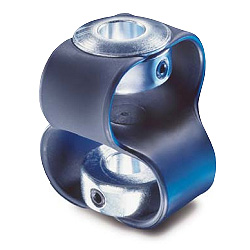
The innovative applications of K Couplings in modern machinery. Discover how these components are revolutionising various industries.
K Couplings are revolutionising modern machinery with their unique blend of durability and precision. These advanced mechanical components are becoming essential in industries ranging from automotive to aerospace, where reliability and performance are critical. Their innovative applications are driving efficiency and reducing maintenance costs across various high-stress environments.
What are K Couplings?
K Couplings are specialised mechanical components used to connect two shafts, allowing for the transmission of torque while accommodating slight misalignments between the shafts. What sets them apart is their construction through the sintering process—a method that involves compacting and heating powdered metal to form a solid piece. This process results in a coupling that is not only incredibly strong but also possesses enhanced wear resistance, making it ideal for high-stress environments.
The Role of K Couplings in Modern Machinery
The modern machinery landscape is characterised by the need for components that can withstand rigorous operating conditions while maintaining performance. K Couplings are specifically designed to meet these demands, offering several key benefits:
• Enhanced Durability: The sintering process used in the production of K Couplings results in a dense and durable material, capable of withstanding high levels of stress and strain. This durability translates into longer service life and reduced maintenance costs.
• Precision Engineering: K Couplings are manufactured with exacting precision, ensuring consistent performance across a wide range of applications. Their ability to handle slight misalignments without compromising torque transmission makes them invaluable in complex machinery setups.
• Cost-Effective Solution: The manufacturing process of sintering allows for the production of K Couplings at a lower cost compared to traditional methods, without sacrificing quality. This makes them an attractive option for industries looking to optimise their operational budgets.
Innovative Applications of K Couplings
K Couplings are finding innovative applications across a diverse range of industries, showcasing their versatility and reliability. Some of the most notable applications include:
• Automotive Industry: In the automotive sector, K Couplings are used in various transmission systems, where they play a critical role in ensuring smooth power delivery from the engine to the wheels. Their ability to withstand high rotational speeds and torque makes them ideal for use in both conventional and electric vehicles.
• Aerospace Engineering: The aerospace industry demands components that can operate reliably under extreme conditions. K Couplings are utilised in aircraft systems, including flight control mechanisms and engine assemblies, where their precision and durability are essential for maintaining safety and performance.
• Industrial Robotics: With the rise of automation, industrial robots are becoming increasingly sophisticated. K Couplings are employed in robotic joints and actuators, where they provide the necessary flexibility and strength to handle repetitive motions and heavy loads.
• Renewable Energy Systems: In the renewable energy sector, K Couplings are used in wind turbines and solar tracking systems. Their ability to operate efficiently in harsh environmental conditions, such as high winds and temperature fluctuations, makes them ideal for these applications.
PM Distributors is committed to providing customised solutions that meet the unique needs of our clients, ensuring that their machinery operates at peak performance. Whether you’re in the automotive, aerospace, renewable energy, or manufacturing sector, K Couplings are an investment in reliability and efficiency.