
Sintered Thrust Washer Bearings: How They Work for Seamless Stability
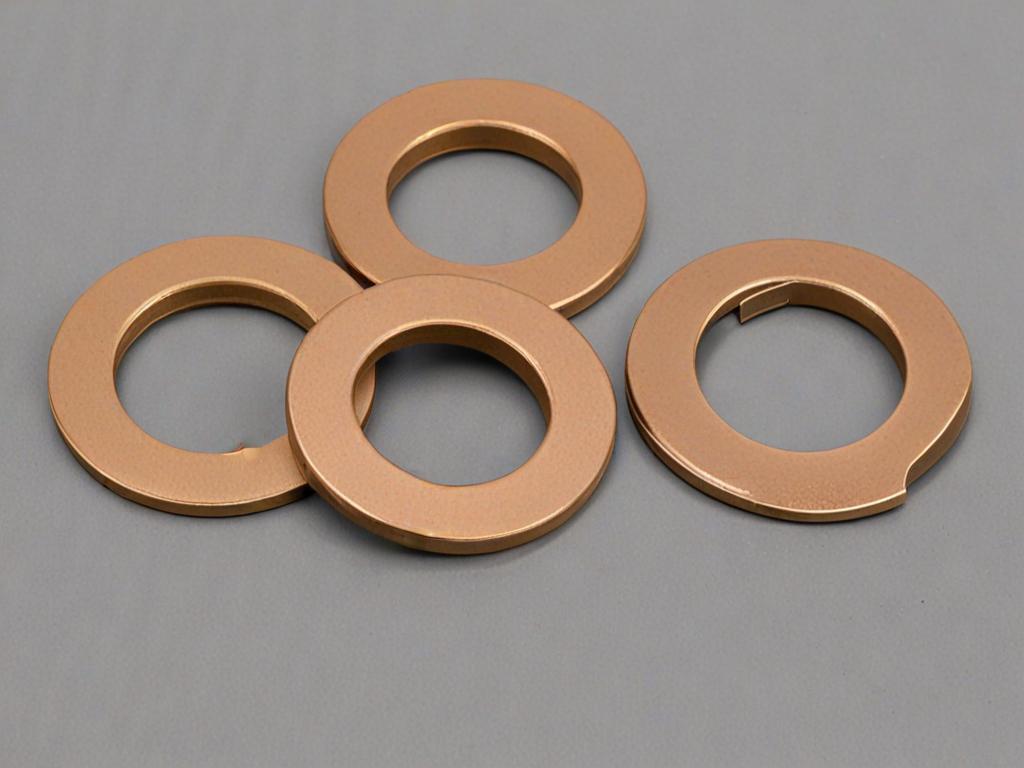
Discover the world of sintered thrust washer bearings! Learn how these metal marvels provide exceptional stability and longevity in various applications.
Sintered thrust washer bearings are a crucial component in various engineering applications, ensuring seamless stability and smooth movement. These bearings are designed to handle axial or thrust loads, providing a reliable solution for high-performance systems.
At PM Distributors, a leading manufacturer and supplier of sintered components and bearings in Melbourne, we understand the importance of choosing the right bearing for your needs.
The functionality of Sintered Thrust Washer Bearings
Sintered thrust washer bearings are designed to support axial loads, which are forces that act along the axis of rotation. These bearings consist of a sintered bronze washer, which is a type of bearing that is made by compressing and bonding powdered metal particles together. The washer is typically flat and has a precision finish, ensuring a smooth surface for the bearing to rotate on.
The sintered bronze washer is paired with a thrust ball bearing or roller bearing, designed to handle radial loads. The combination of the thrust washer and the ball or roller bearing allows the system to handle axial and radial loads, providing a comprehensive solution for various engineering applications.
Benefits of Sintered Thrust Washer Bearings
Sintered thrust washer bearings offer several benefits that make them an attractive option for engineers. Some of the key advantages include:
• High Load Capacity: Sintered thrust washer bearings can handle high axial loads, making them suitable for heavy-duty applications.
• Low Friction: The sintered bronze washer has a low coefficient of friction, reducing the energy required to move the bearing and minimizing heat generation.
• High Accuracy: The precision finish of the sintered bronze washer ensures high accuracy and smooth movement, even in high-speed applications.
• Easy Maintenance: Sintered thrust washer bearings are designed for minimal maintenance, reducing downtime and increasing overall efficiency.
Choosing the Right Sintered Thrust Washer Bearing
At PM Distributors, we offer a comprehensive range of sintered thrust washer bearings to suit various applications. When choosing the right bearing for your needs, consider the load capacity where you have to select a bearing with a load rating exceeding the anticipated loads in your application.
Also, you have to choose a material with suitable strength, wear resistance, and corrosion resistance properties. Additionally, select a bearing with a lubricant appropriate for your operating environment and temperature range and ensure the bearing dimensions fit your design specifications.
Partner with PM Distributors for Your Sintered Thrust Washer Bearing Needs
Sintered thrust washer bearings are a vital component in various engineering applications, providing seamless stability and smooth movement. Their high load capacity, low friction, high accuracy, and ease of maintenance make them an attractive option for engineers.
As a leading supplier of sintered components and bearings in Melbourne, we are committed to providing high-quality solutions to meet your specific requirements. Our team of experts can assist you in selecting the right sintered thrust washer bearings for your application. Call our knowledgeable team today to discuss your needs and explore how we can help you achieve seamless stability in your projects.
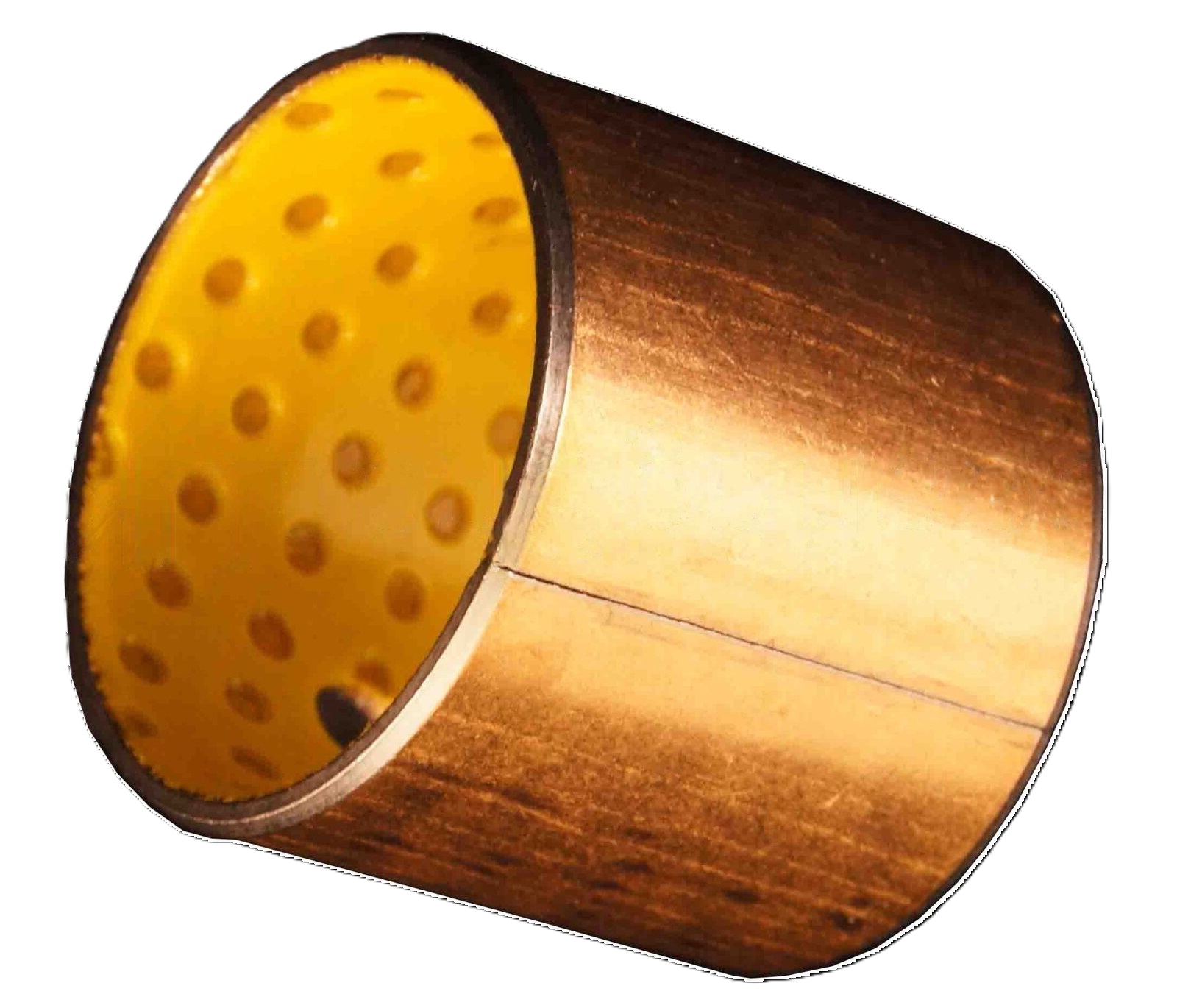
Discover why sintered Glacier bearings are essential for industrial equipment. Learn about the benefits of powder metallurgy over metal injection moulding.
When it comes to critical components like bearings, choosing the right material and manufacturing process can make all the difference in ensuring your equipment operates smoothly and efficiently.
At PM Distributors, we specialise in sintered Glacier bearings, a unique solution that combines the benefits of powder metallurgy with the superior performance of Glacier bearings.
The Advantages of Powder Metallurgy
Powder metallurgy is a manufacturing process that involves compacting metal powders into a desired shape and then sintering them at high temperatures to create a solid part. This process offers several advantages over traditional metal injection moulding, particularly when it comes to the production of bearings. Some of the key benefits of powder metallurgy include:
• Improved dimensional accuracy and tighter tolerances
• Reduced material waste and lower production costs
• Ability to create complex shapes and intricate designs
• Excellent mechanical properties, including high strength and wear resistance
• Consistent microstructure and material properties throughout the part
The Glacier Bearing Difference
Glacier bearings are a unique type of bearing that combines the benefits of powder metallurgy with the superior performance of Glacier’s proprietary material formulation. Unlike traditional metal bearings, Glacier bearings are made from a sintered metal composite that includes a blend of copper, tin, and other alloying elements.
This unique material composition offers several advantages over traditional bearing materials, including:
• Excellent wear resistance and extended service life
• Superior corrosion resistance, even in harsh environments
• Ability to operate at high speeds and under heavy loads
• Low coefficient of friction for smooth, quiet operation
• Self-lubricating properties that reduce the need for external lubrication
Why Sintered Glacier Bearings are Essential for Industrial Equipment
When it comes to industrial equipment, reliability and performance are critical. Downtime can be costly, both in terms of lost productivity and potential damage to equipment. That’s why sintered Glacier bearings are essential for a wide range of industrial applications, including:
• Mining and construction equipment
• Agricultural machinery
• Material handling systems
• Pumps and compressors
• Automotive and aerospace components
By combining the benefits of powder metallurgy with the superior performance of Glacier bearings, sintered Glacier bearings offer a unique solution that can help extend the life of industrial equipment and reduce maintenance costs.
Our Commitment to Quality
At PM Distributors, we are committed to providing our customers with the highest quality sintered Glacier bearings available. Our state-of-the-art manufacturing facility uses the latest powder metallurgy techniques to ensure consistent quality and performance, while our team of experienced engineers works closely with customers to develop customised solutions that meet their specific needs.
If you’re looking for a reliable, high-performance bearing solution for your industrial equipment, sintered Glacier bearings are the smart choice. By combining the benefits of powder metallurgy with the superior performance of Glacier bearings, these unique components offer unparalleled reliability and durability in even the most demanding applications.
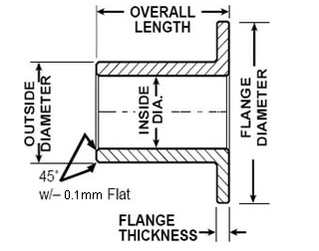
Explore the durability and efficiency of sintered metric flanges, optimising engineering system performance. Call PM Distributors now to learn more!
Flanges play a crucial role in connecting and sealing piping systems in engineering and industrial applications. These essential components ensure reliable and secure connections, facilitating the smooth flow of fluids or gases. Among the various flanges available, metric flanges stand out for their precision and compatibility with international standards.
What Are Flanges and Their Role in Engineering Systems?
Flanges are sturdy components designed to connect pipes, valves, and other equipment securely and leak-proof. They are typically made of durable materials such as steel, stainless steel, or other alloys, ensuring long-lasting performance in demanding industrial environments. Flanges are essential for maintaining the integrity of piping systems, preventing leaks, and facilitating easy assembly and disassembly when necessary.
Common Metric Flanges
The metric system of flanges is widely adopted globally, ensuring compatibility and standardisation across different industries and applications. Here are five common metric flanges:
• Weld Neck Flanges – Weld neck flanges feature a cylindrical collar (or hub) that extends from the flange face, allowing for welding directly onto the pipe or vessel. This design provides exceptional strength and rigidity, making it suitable for high-pressure and high-temperature applications.
• Slip-On Flanges – Slip-on flanges are designed to be slipped over the pipe end and then welded in place. They offer a cost-effective solution for low to moderate-pressure applications and are commonly used in various industries, including oil and gas, chemical processing, and water treatment.
• Blind Flanges – Blind flanges, also known as blanking flanges, are used to seal off the ends of pipes or vessels. They are solid and do not have a bore, providing a secure closure for maintenance, testing, or temporary shutdowns. Blind flanges are available in various sizes and pressure ratings to meet specific application requirements.
• Lap Joint Flanges – Lap joint flanges feature a raised face that overlaps with a matching groove on the mating flange. This design creates a metal-to-metal contact, ensuring a tight seal and strength. Lap joint flanges are commonly used in low-pressure applications and are popular in the food and beverage industry due to their easy disassembly and cleaning.
• Threaded Flanges – Threaded flanges, as the name suggests, have internal or external threads that allow for connection to threaded pipes or fittings. These flanges offer a convenient and secure method for joining piping components, particularly in small-diameter applications. They are widely used in various industries, including plumbing, instrumentation, and chemical processing.
Metric flanges, crafted through advanced sintering processes, offer exceptional durability and efficiency in various engineering applications. These flanges ensure compatibility and seamless integration into industrial systems by adhering to international standards. Whether you require weld neck, slip-on, blind, lap joint, or threaded flanges, PM Distributors is a trusted manufacturer and supplier of sintered components, powdered metal, and bearings in Melbourne. With our commitment to quality and expertise, they can provide reliable solutions tailored to your specific needs.
Explore our extensive range of products and unlock the potential for enhanced performance, reliability, and efficiency in your engineering projects. Call our knowledgeable team today to discuss your requirements and experience the excellence of sintered components.
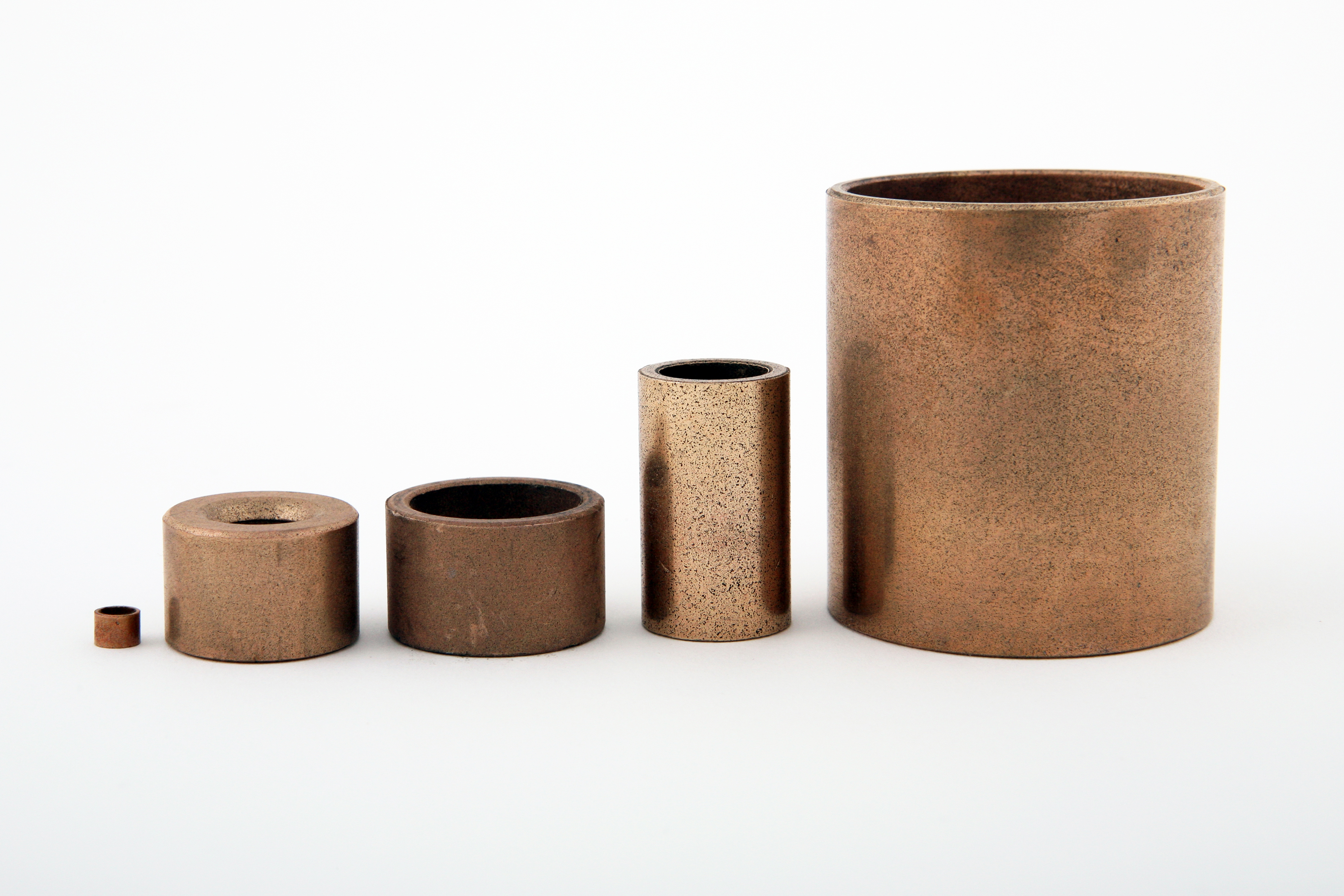
Uncover the reliability of cylindrical roller bearings in heavy-duty machinery. Available at PM Distributors, power industries with durability and precision.
Cylindrical roller bearings are essential components that can benefit heavy-duty machinery in terms of performance and reliability. These workhorses of industry can provide great help in various applications, from mining and construction to manufacturing and transportation.
The Composition of Cylindrical Roller Bearings
Cylindrical roller bearings are precision-engineered components designed to facilitate high radial loads while maintaining axial rigidity. Their unique design features cylindrical rollers arranged in parallel lines, allowing them to accommodate heavy radial loads and moderate axial loads. This configuration ensures efficient power transmission and reduced friction, contributing to smoother operation and extended service life in demanding environments.
Cylindrical Roller Bearings: Major Advantages
Numerous advantages can be attained from cylindrical roller bearings, especially if you get them from PM Distributors. These advantages are as follows.
• High Load Capacity: One of the primary advantages of cylindrical roller bearings is their exceptional load-carrying capacity. The cylindrical shape of the rollers distributes the load evenly across their length, enabling them to withstand heavy radial loads without deformation or premature failure. This specific quality makes them ideal for heavy-load applications.
• Axial Rigidity: Aside from their high load capacity, cylindrical roller bearings offer excellent axial rigidity, ensuring precise shaft positioning and minimal deflection under load. This characteristic is critical in applications that require precise alignment, helping them maintain operational efficiency and prevent equipment damage. Industries like manufacturing rely on cylindrical roller bearings to maintain tight tolerances and consistent performance.
• Versatility: Cylindrical roller bearings come in various configurations and designs to suit a wide range of applications and operating conditions. They come in single-row, double-row, and multi-row configurations, as well as with different cage designs and materials. Their versatility allows engineers and designers to tailor bearing selections to specific requirements like high speeds, shock loads, or temperature extremes.
Key Applications of Cylindrical Roller Bearings
Many industries can benefit from cylindrical roller bearings.
The mining industry, for instance, can maximise cylindrical roller bearings to optimise equipment that deals with heavy loads, shock loads, and abrasive conditions. They include crushers, conveyors, and vibrating screens. Their robust construction and high load-carrying capacity ensure reliable performance in harsh mining environments.
Construction equipment, such as excavators, bulldozers, and cranes, likewise relies on cylindrical roller bearings to withstand the rigours of construction sites. These bearings provide the necessary support and durability to handle heavy loads, vibrations, and dynamic forces encountered during construction operations. Lastly, the manufacturing facilities can utilise cylindrical roller bearings and integrate them into machine tools, presses, and industrial robots. Their capacity to maintain precise shaft alignment and high-speed operation makes them essential for ensuring consistent quality and productivity in manufacturing processes.
Cylindrical roller bearings from PM Distributors can provide the durability, reliability, and precision required to power industries in Australia. Their ability to withstand heavy loads, maintain axial rigidity, and adapt to diverse operating conditions makes them indispensable in a wide range of applications, from mining and construction to manufacturing and beyond.
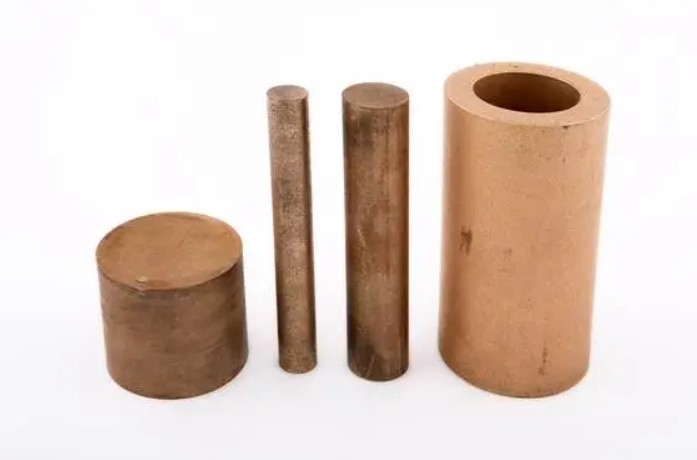
Discover the sustainability of sintered bronze hollow bars by PM Distributors in modern manufacturing. Invest in these solutions without affecting quality.
The manufacturing industry is increasingly seeking sustainable components like sintered bronze hollow bars to ensure environmental concerns can be prevented. These hollow bars have emerged as a pioneering solution, offering eco-friendly options for a variety of applications without compromising on quality or even performance. Available at PM Distributors, know the sustainability benefits of sintered bronze hollow bars and their role in shaping the future of manufacturing.
Manufacturing Sintered Bronze Hollow Bars
Sintered bronze hollow bars are manufactured through a process known as powder metallurgy, which involves compacting bronze powder into a desired shape and then sintering it at high temperatures to bond the particles together. The result is a solid yet porous structure with uniform properties and excellent mechanical strength.
Hollow bars are produced by forming the bronze powder around a mandrel or core and then sintering it to create a hollow interior. This innovative manufacturing process allows for precise control over the final dimensions, tolerances, and properties of the bars.
Environmental Benefits of Sintered Bronze
Sintered bronze hollow bars offer several environmental advantages compared to traditional metal manufacturing processes.
Firstly, the powder metallurgy process used to produce sintered bronze bars generates minimal waste, as it utilises nearly all the raw material with little to no material loss during production. Additionally, the energy consumption of sintering processes is relatively low compared to other metalworking methods, reducing carbon emissions and energy usage. Furthermore, sintered bronze bars can be recycled at the end of their lifespan, contributing to a circular economy and reducing the demand for raw materials.
Another sustainability benefit of sintered bronze hollow bars is their ability to reduce material consumption in manufacturing applications. Due to their porous structure, hollow bars require less bronze material to achieve the desired strength and performance characteristics compared to solid bars of equivalent size. This reduction in material usage not only conserves valuable resources but also lowers production costs and material waste. By optimising material efficiency, these hollow bars help manufacturers cut their environmental footprint while maintaining product quality and integrity.
Sintered Bronze Hollow Bars: Performance
Despite their sustainable credentials, sintered bronze hollow bars are renowned for their versatility and performance across a wide range of applications.
From automotive components and hydraulic systems to bushings, bearings, and electrical contacts, sintered bronze bars offer excellent wear resistance, self-lubricating properties, and dimensional stability. The porous structure of sintered bronze bars allows for effective lubricant retention, reducing friction and wear in moving parts and extending component lifespan.
This combination of sustainability and performance makes sintered bronze hollow bars an attractive choice for manufacturers seeking durable, reliable solutions.
Sintered bronze hollow bars, which can be obtained from PM Distributors, represent a sustainable option for modern manufacturing, offering eco-friendly alternatives without compromising quality or performance. With minimal material waste, reduced energy consumption, and excellent mechanical properties, sintered bronze bars are shaping the future of sustainable manufacturing. Embracing these innovative solutions can help manufacturers like you reduce their environmental impact, conserve resources, and meet the growing demand for sustainable products.
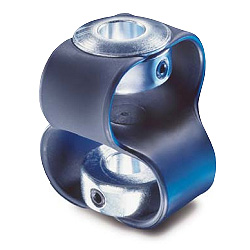
Eliminate misaligned connections with K-Coupling supply from PM Distributors. Explore the properties of these solutions for seamless industrial operations.
The operation of machinery and equipment can be maintained optimally if they are equipped with the right K-Coupling supply. Without K-Couplings, the connections of these things may be misaligned, hindering performance and leading to costly downtime. By partnering with PM Distributors, you can get a quality supply of K-Couplings, helping you ensure smooth operations.
Understanding K-Couplings
K-Couplings are flexible shaft couplings designed to connect two rotating shafts while compensating for misalignment and transmitting torque efficiently. These couplings are comprised of two hubs and a flexible element, typically made of polyurethane elastomeric material, which absorbs shocks and vibrations while maintaining torque transmission between shafts.
Specifically, they are made of double-loop ELASTACAST material assembled into zinc-plated steel hubs. They then feature rounded corners to prevent cutting. They likewise take advantage of annealed steel for maximum strength.
Achieving Proper Alignment
Proper alignment of rotating shafts is essential for the reliable and efficient operation of machinery. Misaligned connections can lead to increased wear and tear on bearings, shafts, and other components, resulting in premature failure and costly repairs. By eliminating misalignment, K-Couplings help prolong the service life of equipment and reduce maintenance requirements.
Some things K-Couplings do to make them useful in industrial operations are as follows.
• Absorb Misalignment: K-Couplings are designed to absorb parallel and angular misalignment between shafts, ensuring smooth and reliable power transmission even in challenging operating conditions. Their ability to compensate for misalignment can prevent premature component wear and reduce the risk of equipment failure.
• Dampen Vibration: The flexible element of K-Couplings acts as a shock absorber, dampening vibrations and reducing the transmission of noise and vibration through the system. It not only improves operator comfort but also protects sensitive equipment and reduces the likelihood of fatigue failure in shafts and bearings.
• Reduce Bearing Loads: K-Couplings are expected to last longer and require less maintenance as they can reduce bearing loads on equipment and machinery, even in severe alignment applications.
• Guarantee Consistency: Reliability and durability are two things K-Couplings can provide as they are made from high-quality materials and precision manufacturing. Their robust construction and corrosion-resistant finishes make them ideal for use in harsh industrial settings.
• Simplify Installation: K-Couplings are designed for easy installation and maintenance, with simple assembly procedures and minimal downtime requirements. Their modular construction allows for quick replacement of flexible elements or hubs without the need for specialised tools or extensive disassembly, reducing maintenance costs and enhancing operational efficiency.
Supply from PM Distributors
To pick the right K-Couplings for your application, you must determine the horsepower or wattage requirement of your application, the amount of space available for the coupling installation, the maximum degree of angular and parallel misalignment, the presence or absence of a keyway, and the operating temperature of your machinery or equipment.
K-Couplings, after all, come in a wide range of sizes and configurations to suit various application requirements. Whether for general-purpose machinery, heavy-duty industrial equipment, or specialised applications, there is a K-Coupling solution to meet every need. You can ask for the help of PM Distributors to secure the right K-Couplings for your industrial operations.
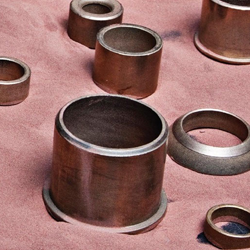
Tackle noise control in harsh industrial environments with sintered cone silencers from PM Distributors. Invest in effective sound reduction solutions today.
Sintered cone silencers are one of the components that can be integrated into industrial machines as they help in mitigating their sounds effectively. In industrial plants, the roar of machinery can be considered as a constant backdrop. While these sounds signify productivity and progress, prolonged exposure to high noise levels can pose detrimental effects on workers’ health and overall well-being.
Traditional noise control measures often struggle to withstand the harsh conditions of industrial environments. Sintered cone silencers, alternatively, can help in resolving these issues.
Introducing Sintered Cone Silencers
Sintered cone silencers take advantage of a unique technology that differentiates them from conventional noise reduction methods. They are made from sintered metal, which is a metal powder that has been compacted and heated to form a solid mass. The sintered metal acts as a porous medium that can effectively dissipate sound waves as they pass through the silencer.
The “cone” in their name refers to the conical shape of the silencer’s internal structure, which is designed to maximise surface area and enhance sound absorption capabilities. The design of these components not only helps in reducing noise levels but also minimises backpressure, ensuring that the performance of the machinery is not compromised.
Benefits of Sintered Cone Silencers
PM Distributors offers sintered cone silencers to industrial plants as they can provide a lot of benefits. These benefits include the following.
• Durability in Harsh Environments: The sintered metal construction of sintered cone silencers makes them exceptionally resistant to wear and tear, including corrosion, high temperatures, and chemical exposure. The durability of these components is crucial in industrial settings where conditions can quickly degrade less robust materials.
• Effective Noise Reduction: Sintered cone silencers are highly efficient at reducing a wide range of frequencies, particularly the lower frequencies that are common in industrial machinery and equipment. They tend to be an excellent choice for comprehensive noise control strategies.
• Minimal Impact on Performance: Unlike some noise reduction solutions that can restrict airflow and reduce the efficiency of industrial machinery, sintered cone silencers are designed to maintain optimal performance while dampening noise.
• Customisable Solutions: The flexibility in the manufacturing process of sintered materials allows for custom shapes and sizes, which makes it possible to tailor these silencers to specific machinery and noise control requirements.
Sintered Cone Silencer Applications
Sintered cone silencers are versatile and can be used in a variety of industrial applications.
First, sintered cone silencers can be utilised in pneumatic systems to reduce exhaust noise without affecting system efficiency. They can also be integrated with industrial ventilation systems to reduce noise pollution both inside and outside industrial plants. The machinery involved in manufacturing processes can likewise be paired with these silencers to reduce noise and improve work settings.
Incorporating sintered cone silencers into an industrial setting involves assessing the specific noise control needs of the equipment and environment. You should work with PM Distributors to obtain the right silencers for your industrial plant, ensuring they are integrated without disrupting daily processes.
Sintered cone silencers represent a significant advancement in noise control technology, offering durability, efficiency, and customisability. Investing in these silencers from PM Distributors can help you ensure compliance with noise regulations and create a safer and more comfortable workplace.
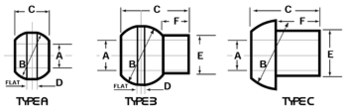
Bolster system stability and longevity with self-aligning bearings from PM Distributors. Discover their remarkable resilience against vibration and shock loads.
Self-aligning bearings are remarkable components known for their ability to fortify systems against vibration and shock loads. They are designed to bolster system stability and longevity, guaranteeing functions and benefits that different applications can fully maximise.
Functions of Self-aligning Bearings
Self-aligning bearings intend to accommodate misalignment between shafts and housings, allowing them to compensate for installation errors or shaft deflection. Unlike traditional bearings that require precise alignment, self-aligning bearings offer flexibility and adaptability, making them ideal for applications where misalignment is inevitable.
Normally, self-aligning bearings feature two rows of rolling elements like balls or rollers housed within a spherical outer ring. Their unique design allows the bearing to adjust its position relative to the shaft and housing, compensating for angular misalignment and shaft deflection. As a result, these bearings can maintain smooth operation even under conditions of vibration, shock loads, or shaft misalignment.
Key Advantages and Applications
The use of self-aligning bearings offers several advantages for mechanical systems.
First, self-aligning bearings can improve system stability by accommodating misalignment and minimising the risk of vibration-induced damage. These bearings can also prolong the lifespan of machinery and equipment as they can reduce stress on components and distribute loads more evenly. The flexibility of self-aligning bearings can then reduce the need for frequent adjustments or realignment, lowering maintenance requirements and downtime.
Likewise, self-aligning bearings can be used in a wide range of applications, including industrial machinery, automotive systems, and agricultural equipment. Lastly, the resilience of self-aligning bearings prevents premature wear and failure, which results in cost savings over the long term.
All these benefits of self-aligning bearings make them useful in various industries and sectors. They include the following.
• Industrial Machinery: Self-aligning bearings can be used in conveyors, pumps, fans, and other rotating equipment where misalignment is common.
• Automotive Systems: These bearings can also be employed in vehicle suspensions, steering systems, and drivetrain components to compensate for road-induced vibrations and shocks.
• Mining and Construction: Self-aligning bearings can be utilised in heavy-duty machinery and equipment subjected to rugged operating conditions and dynamic loads.
• Power Generation: Self-aligning bearings can be installed in turbines, generators, and gearboxes to withstand vibration and shock loads inherent in power generation processes.
Get Bearings from PM Distributors
PM Distributors offers a wide range of self-aligning bearings, boasting different dimensions that make them useful in the previously stated applications. We can also ensure your machines will be serviced with these bearings without any compromises, making sure they will work optimally. Our team can even establish good relationships with clients like you, making it more convenient for you to work with us.
Self-aligning bearings from PM Distributors can easily fortify mechanical systems against vibration and shock loads, enhancing stability, longevity, and reliability. Their ability to accommodate misalignment and shaft deflection makes them invaluable components in a wide range of industrial and automotive applications. By investing in our products, you can ensure the optimal performance and resilience of your machinery and equipment, even under the most difficult operating conditions.
Know the properties of Indian brass powder and how PM Distributors use it to generate powder metallurgy components. Call us at +61 (3) 9794 5817 today.
Powder metallurgy components are being utilised in many industries today due to their outstanding characteristics. They are mostly known for being durable, reliable, and long-lasting. They are also cost-efficient, making them a more practical option for industries that want to cut costs without compromising quality. Now, many materials can be used to craft and generate powder metallurgy components. One of them is the Indian brass powder.
Indian Brass Powder and Powder Metallurgy
Powder metallurgy is a manufacturing process involving the production of metal parts through blending, compacting, and sintering metal powders. This versatile technique creates intricate components with specific properties, making it a preferred method in various industries.
One material that can be utilised for powder metallurgy is Indian brass powder. It is derived from a blend of copper and zinc, which allows it to possess distinctive properties that make the material ideal for powder metallurgy applications. Some of these properties are as follows.
• Durable and Versatile: Brass offers a balance of strength, corrosion resistance, and malleability, which makes it suitable for a wide range of components.
• Sinterability: Indian brass powder exhibits excellent sinterability, allowing for effective bonding during powder metallurgy. It ensures the creation of durable and well-consolidated components.
• Dimensional Accuracy: The fine particle size of Indian brass powder contributes to enhanced dimensional accuracy in the final components, meeting tight tolerances required in industries.
Quality Assurance for Indian Brass Powder
When utilising Indian brass powder for the powder metallurgy process, our team at PM Distributors ensures that high-quality components will be produced. We only maximise high-quality Indian brass powder when carrying out key steps of powder metallurgy by ensuring consistent particle size, composition, and sintering characteristics. All these things help contribute to the reliability and performance of the final components.
Indian Brass Powder: Primary Applications
If you intend to utilise Indian brass powder for your powder metallurgy or sintered components, you can expect it to be useful in a lot of applications across diverse industries.
The automotive sector, for instance, can craft Indian brass powder car components and accessories that are lightweight, corrosion-resistant, and precisely engineered. The electronics industry can also utilise this metal powder in crafting connectors, terminals, and other intricate electrical components. The industrial machinery sector can likewise use Indian brass powder to craft machine parts, ensuring longevity and efficient performance.
Lastly, consumer goods like household appliances and decorative elements can use Indian brass powder to ensure they will truly last for a long time.
As industries demand components with superior precision, durability, and versatility, Indian brass powder can be your reliable ally in powder metallurgy. Its distinctive properties and applications across diverse sectors underscore its pivotal role in shaping the future of component manufacturing. With a commitment to quality and innovation, PM Distributors paves the way for creating components that not only meet but exceed the expectations of precision and performance in the powder metallurgy industry.
Expect precise motion control with bearings made from copper powder. Optimise the responsiveness and positional accuracy of your tools. Call +61 (3) 9794 5817.
Modern machinery and equipment take advantage of components that can help them carry out operations smoothly and swiftly. One of the components they maximise is a bearing. Bearings in general are mechanical components meant to support rotational or linear movement of machines and tools. They can also reduce friction and support loads. Once installed, these components can significantly facilitate smooth motion between two or more moving parts.
A lot of materials can be used to produce bearings. One of them is copper powder.
The Composition of Copper Powder Bearings
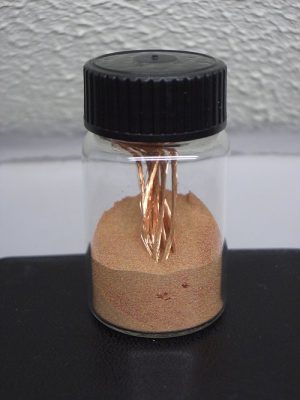
Copper powder is a material that can be used to fabricate bearings. Copper powder bearings are a type of self-lubricating bearings that maximise copper as their main component. They are often generated through powder metallurgy, where the powdered form of copper is sintered with other materials. The oil then penetrates and fills the labyrinth of gaps where pure copper has been powdered and compressed. Once the powder metallurgy is done, copper powder bearings are expected to exhibit exceptional properties that are vital to motion control applications.
Copper Powder Bearings: Key Characteristics
The different characteristics of copper powder bearings allow them to be useful in many applications, especially those that require precise motion control. They include the following.
• Self-Lubricating Property: Copper powder bearings are fundamentally self-lubricating. Their copper particles within the bearing matrix work as solid lubricants, which reduces friction and wear between moving mechanical components.
• High Thermal Conductivity: The core material of these bearings copper is known for its excellent thermal conductivity. In motion control applications, copper powder bearings can efficiently transfer heat away from friction areas, preventing them from overheating.
• Corrosion Resistance: Copper powder bearings showcase remarkable corrosion resistance. This specific attribute secures long-lasting bearings, particularly in harsh environments.
• High Load-Carrying Capacity: Sintering used in creating copper powder bearings results in a dense and structurally sound material. The composition of these bearings contributes to their capacity to handle high loads, making them suitable for applications requiring robust support.
PM Distributors Offers Copper Powder Bearings
At PM Distributors, we offer copper powder bearings for applications that require precise motion control. The robotics and automation field, for one, can take advantage of our copper powder bearings to ensure the smooth operation of robotic arms and automation components. The field of aerospace can likewise integrate copper powder bearings into their aircraft control surfaces and landing gear mechanisms to secure reliability in their respective functions.
The medical industry can also maximise our copper powder bearings and install them in medical devices like surgical robots, imaging equipment, and diagnostic instruments.
Aside from these industries, copper powder bearings are expected to bring more innovations in other industries thanks to continuous technical advancements. Our team at PM Distributors are dedicated to enhancing their properties to make them more suitable for emerging applications that demand increasingly efficient and precise motion control.
Copper powder, with its self-lubricating nature, high thermal conductivity, and corrosion resistance, stands out as an ideal candidate for applications requiring unparalleled precision. Contact PM Distributors today to gain advantage of our copper powder bearings.