
Sintered Oil-Impregnated Bearings: Why Are They Crucial for High-Performance Machinery?
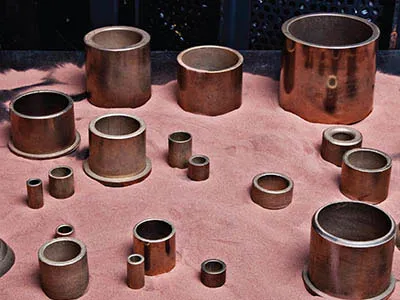
The sintered oil-impregnated bearings are crucial for high-performance machinery. Learn about it and its key benefits for various industrial applications.
Sintered oil-impregnated bearings are essential components in high-performance machinery, offering unique advantages that enhance operational efficiency and reliability. These bearings, also known as self-lubricating bearings, are manufactured using powder metallurgy, which allows for the creation of porous structures that can retain lubricating oil. This method of manufacturing not only enhances the performance of the bearings but also allows for customisation in terms of material composition and oil type, making them versatile for various applications.
Advantages of Sintered Oil-Impregnated Bearings
From self-lubrication to enhanced durability, these bearings provide reliable performance in demanding environments. Below are some of the key benefits that set them apart from traditional bearing options.
• Self-Lubrication: One of the most significant advantages is their self-lubricating property. The impregnated oil gradually seeps out through the porous material, providing consistent lubrication and reducing the need for external oiling systems. This feature is especially valuable in environments where regular maintenance is challenging.
• Reduced Friction: The continuous release of lubricating oil helps minimise friction between the bearing surfaces. Lower friction translates into smoother operation, less heat generation, and extended component life. This is crucial for high-performance machinery, where even minor friction can lead to significant inefficiencies.
• Durability: Sintered oil-impregnated bearings are designed to withstand harsh conditions, including high temperatures, heavy loads, and aggressive environments. Their ability to maintain lubrication under these challenging conditions enhances their durability and reliability.
• Low Maintenance: Because they are self-lubricating, these bearings require less maintenance compared to traditional bearings. This reduces downtime and operational costs, making them ideal for machinery that operates in remote or hard-to-reach locations.
• Cost-Effective: Although the initial cost may be higher than some traditional bearings, the reduced maintenance requirements and longer service life often make sintered oil-impregnated bearings a more cost-effective choice in the long run.
Sintered Oil-Impregnated Bearings for High-Performance Machinery
Sintered oil-impregnated bearings are widely used across various high-performance machinery, including:
• Automotive Engines: Sintered oil-impregnated bearings are essential in engine components like camshafts and crankshafts, offering reliable lubrication that ensures smooth engine performance and extends component life. Their ability to maintain consistent lubrication under high-stress conditions is crucial for optimal engine function.
• Industrial Equipment: These bearings facilitate smooth operation in manufacturing and processing machinery by reducing friction and handling heavy loads and high speeds effectively. Their durability and low maintenance needs contribute to overall operational efficiency and reduced downtime.
• Aerospace: In the aerospace industry, sintered oil-impregnated bearings are valued for their performance under extreme conditions, including high temperatures and fluctuating pressures. Their reliability in these demanding environments is vital for the safe and efficient operation of aerospace systems.
• Consumer Electronics: For devices like printers and power tools, sintered oil-impregnated bearings enhance performance by reducing maintenance requirements and ensuring smooth, reliable operation. This contributes to the longevity and efficiency of everyday electronic products.
Sintered oil-impregnated bearings offer a combination of reliability, durability, and low maintenance that is indispensable for high-performance machinery. PM Distributors is committed to providing first-class service and quality bearings that meet your specific needs. By choosing sintered oil-impregnated bearings, you can enhance the efficiency and longevity of your equipment, ensuring smooth and reliable operation in even the most challenging environments.
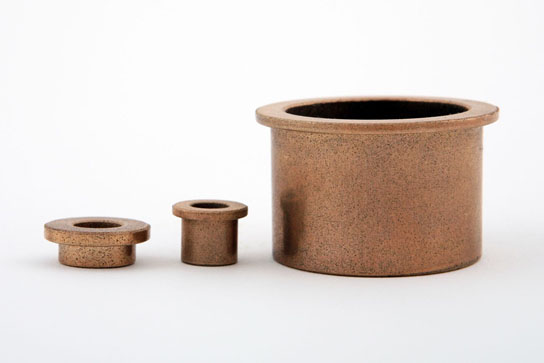
Explore the significance of load ratings in sintered flanged bearings, their performance and superior characteristics due to powder metallurgy.
Sintered flange bearings, produced through the innovative powder metallurgy process, are the top choice for various machinery and equipment applications in Australia. These bearings provide robust support for both axial and radial loads, with their unique sintered structure offering unparalleled performance. The flange design allows for easy installation and alignment, making them ideal for applications where the shaft axis is perpendicular to the mounting surface. Understanding the load ratings of sintered flange bearings is essential for optimising their performance and ensuring longevity.
Understanding Load Ratings
Load ratings are critical metrics that indicate the maximum loads a bearing can handle without failure. For sintered flange bearings, these ratings are particularly impressive due to the powder metallurgy manufacturing process. The primary types of load ratings include:
• Dynamic Load Rating (C): This rating indicates the maximum radial load a sintered bearing can withstand while rotating for a specified number of revolutions without experiencing material fatigue. Sintered bearings often outperform traditional bearings in this aspect due to their uniform microstructure.
• Static Load Rating (Co): This rating refers to the maximum load a non-rotating sintered bearing can support without permanent deformation. The unique composition of sintered materials often results in higher static load ratings compared to conventional bearings.
Factors Influencing Load Ratings in Sintered Flange Bearings
The load ratings and overall performance of sintered flange bearings are influenced by several key factors, all of which are enhanced by the powder metallurgy process:
1. Material Composition: The sintering process allows for precise control of material composition, resulting in bearings with superior strength and durability.
2. Porosity Control: Powder metallurgy enables manufacturers to control the porosity of the bearing material, which can be optimised for oil retention or weight reduction while maintaining strength.
3. Size and Density: The size of the bearing directly correlates with its load capacity, and sintered bearings can be produced with very precise dimensions and controlled density for optimal performance.
4. Lubrication: The porous nature of sintered bearings allows for excellent oil retention, providing continuous lubrication and reducing friction and heat generation.
Impact of Load Ratings on Sintered Flange Bearing Performance
The performance of sintered flange bearings is directly tied to their load ratings, which are often superior to traditional bearings due to the powder metallurgy process:
• Longevity: Sintered bearings with appropriate load ratings for the application will have an exceptionally long service life. Their uniform microstructure and superior material properties result in less wear and higher fatigue resistance.
• Efficiency: Sintered bearings that operate within their load ratings function more efficiently, reducing friction and heat generation. The porous structure allows for better lubrication retention, leading to smoother operation and less energy consumption.
• Safety: Ensuring that sintered bearings are not overloaded is crucial for maintaining safety in mechanical systems. The consistent quality achieved through powder metallurgy reduces the risk of sudden failure, enhancing overall system reliability.
• Cost-Effectiveness: While initially more expensive, sintered flange bearings often prove more cost-effective in the long run due to their extended lifespan and reduced maintenance requirements.
Choosing the Right Sintered Flange Bearing
When selecting sintered flange bearings for your application, consider the following:
1. Accurately calculate the expected loads and speeds in your application.
2. Consider the operating environment, including temperature and potential contaminants.
3. Evaluate the required service life and maintenance intervals.
4. Consult with bearing specialists to ensure you select the optimal sintered flange bearing for your needs.
By carefully considering load ratings and working with PM Distributors, you can optimise the performance and lifespan of your equipment while minimising downtime and costs. Sintered flange bearings, with their superior properties derived from powder metallurgy, offer an excellent solution for a wide range of industrial applications in Australia.