
On Noise Reduction: How Sintered Cone Silencers Tackle Harsh Equipment Sounds
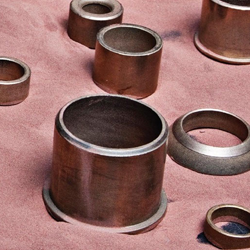
Tackle noise control in harsh industrial environments with sintered cone silencers from PM Distributors. Invest in effective sound reduction solutions today.
Sintered cone silencers are one of the components that can be integrated into industrial machines as they help in mitigating their sounds effectively. In industrial plants, the roar of machinery can be considered as a constant backdrop. While these sounds signify productivity and progress, prolonged exposure to high noise levels can pose detrimental effects on workers’ health and overall well-being.
Traditional noise control measures often struggle to withstand the harsh conditions of industrial environments. Sintered cone silencers, alternatively, can help in resolving these issues.
Introducing Sintered Cone Silencers
Sintered cone silencers take advantage of a unique technology that differentiates them from conventional noise reduction methods. They are made from sintered metal, which is a metal powder that has been compacted and heated to form a solid mass. The sintered metal acts as a porous medium that can effectively dissipate sound waves as they pass through the silencer.
The “cone” in their name refers to the conical shape of the silencer’s internal structure, which is designed to maximise surface area and enhance sound absorption capabilities. The design of these components not only helps in reducing noise levels but also minimises backpressure, ensuring that the performance of the machinery is not compromised.
Benefits of Sintered Cone Silencers
PM Distributors offers sintered cone silencers to industrial plants as they can provide a lot of benefits. These benefits include the following.
• Durability in Harsh Environments: The sintered metal construction of sintered cone silencers makes them exceptionally resistant to wear and tear, including corrosion, high temperatures, and chemical exposure. The durability of these components is crucial in industrial settings where conditions can quickly degrade less robust materials.
• Effective Noise Reduction: Sintered cone silencers are highly efficient at reducing a wide range of frequencies, particularly the lower frequencies that are common in industrial machinery and equipment. They tend to be an excellent choice for comprehensive noise control strategies.
• Minimal Impact on Performance: Unlike some noise reduction solutions that can restrict airflow and reduce the efficiency of industrial machinery, sintered cone silencers are designed to maintain optimal performance while dampening noise.
• Customisable Solutions: The flexibility in the manufacturing process of sintered materials allows for custom shapes and sizes, which makes it possible to tailor these silencers to specific machinery and noise control requirements.
Sintered Cone Silencer Applications
Sintered cone silencers are versatile and can be used in a variety of industrial applications.
First, sintered cone silencers can be utilised in pneumatic systems to reduce exhaust noise without affecting system efficiency. They can also be integrated with industrial ventilation systems to reduce noise pollution both inside and outside industrial plants. The machinery involved in manufacturing processes can likewise be paired with these silencers to reduce noise and improve work settings.
Incorporating sintered cone silencers into an industrial setting involves assessing the specific noise control needs of the equipment and environment. You should work with PM Distributors to obtain the right silencers for your industrial plant, ensuring they are integrated without disrupting daily processes.
Sintered cone silencers represent a significant advancement in noise control technology, offering durability, efficiency, and customisability. Investing in these silencers from PM Distributors can help you ensure compliance with noise regulations and create a safer and more comfortable workplace.
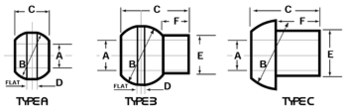
Bolster system stability and longevity with self-aligning bearings from PM Distributors. Discover their remarkable resilience against vibration and shock loads.
Self-aligning bearings are remarkable components known for their ability to fortify systems against vibration and shock loads. They are designed to bolster system stability and longevity, guaranteeing functions and benefits that different applications can fully maximise.
Functions of Self-aligning Bearings
Self-aligning bearings intend to accommodate misalignment between shafts and housings, allowing them to compensate for installation errors or shaft deflection. Unlike traditional bearings that require precise alignment, self-aligning bearings offer flexibility and adaptability, making them ideal for applications where misalignment is inevitable.
Normally, self-aligning bearings feature two rows of rolling elements like balls or rollers housed within a spherical outer ring. Their unique design allows the bearing to adjust its position relative to the shaft and housing, compensating for angular misalignment and shaft deflection. As a result, these bearings can maintain smooth operation even under conditions of vibration, shock loads, or shaft misalignment.
Key Advantages and Applications
The use of self-aligning bearings offers several advantages for mechanical systems.
First, self-aligning bearings can improve system stability by accommodating misalignment and minimising the risk of vibration-induced damage. These bearings can also prolong the lifespan of machinery and equipment as they can reduce stress on components and distribute loads more evenly. The flexibility of self-aligning bearings can then reduce the need for frequent adjustments or realignment, lowering maintenance requirements and downtime.
Likewise, self-aligning bearings can be used in a wide range of applications, including industrial machinery, automotive systems, and agricultural equipment. Lastly, the resilience of self-aligning bearings prevents premature wear and failure, which results in cost savings over the long term.
All these benefits of self-aligning bearings make them useful in various industries and sectors. They include the following.
• Industrial Machinery: Self-aligning bearings can be used in conveyors, pumps, fans, and other rotating equipment where misalignment is common.
• Automotive Systems: These bearings can also be employed in vehicle suspensions, steering systems, and drivetrain components to compensate for road-induced vibrations and shocks.
• Mining and Construction: Self-aligning bearings can be utilised in heavy-duty machinery and equipment subjected to rugged operating conditions and dynamic loads.
• Power Generation: Self-aligning bearings can be installed in turbines, generators, and gearboxes to withstand vibration and shock loads inherent in power generation processes.
Get Bearings from PM Distributors
PM Distributors offers a wide range of self-aligning bearings, boasting different dimensions that make them useful in the previously stated applications. We can also ensure your machines will be serviced with these bearings without any compromises, making sure they will work optimally. Our team can even establish good relationships with clients like you, making it more convenient for you to work with us.
Self-aligning bearings from PM Distributors can easily fortify mechanical systems against vibration and shock loads, enhancing stability, longevity, and reliability. Their ability to accommodate misalignment and shaft deflection makes them invaluable components in a wide range of industrial and automotive applications. By investing in our products, you can ensure the optimal performance and resilience of your machinery and equipment, even under the most difficult operating conditions.