

Custom Sintered Components That Reduce Machining Costs in Production
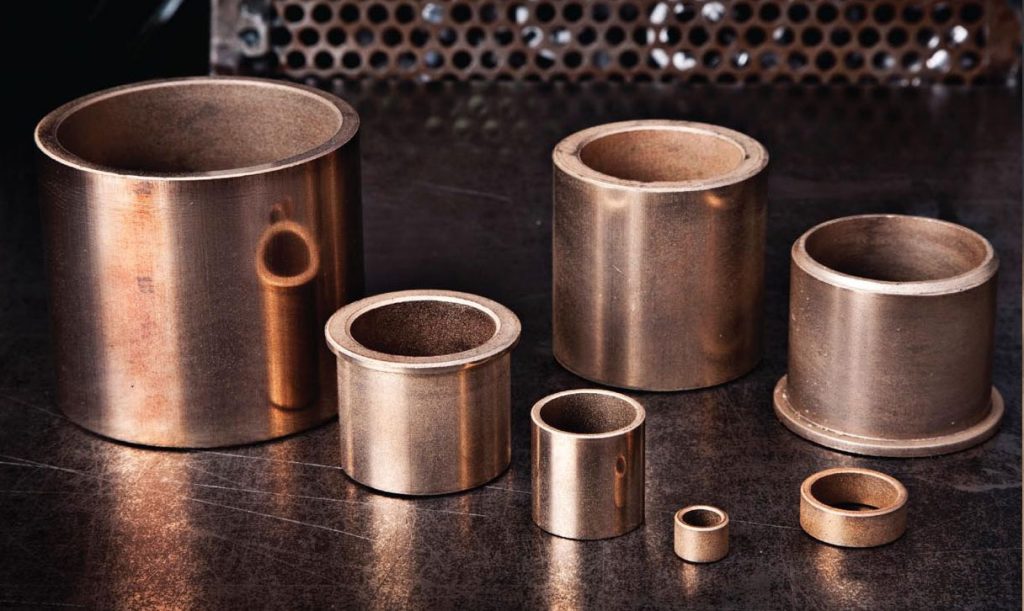
PM Distributors supplies custom sintered components that can reduce machining waste and unit costs for suitable medium-to-high-volume production runs.
Custom sintered components can lower machining costs when a part is suitable for repeat powder-metal production and can be formed close to its finished shape. At PM Distributors, we help Australian manufacturers compare that option with machining from solid stock before they commit to a production approach.
How Custom Sintered Components Reduce Machining Costs?
The direct answer is simple: less metal needs to be cut away. Powder is compacted in precision tooling, sintered and, where required, sized or finished. A near-net-shape part may therefore need fewer turning, milling or grinding operations than a component produced entirely from bar or billet.
That can reduce machine time, swarf, cutting-tool consumption and repeated handling. The Metal Powder Industries Federation also identifies improved raw-material utilisation and the elimination of costly secondary machining among powder metallurgy’s established advantages. Savings are application-specific, however; they depend on geometry, tolerances, material, quantity and tooling investment.
When Does Powder Metallurgy Deliver the Strongest Cost Case?
Powder metallurgy is a mass-production process, so its commercial case generally becomes stronger across medium-to-high-volume runs. Our technical information on sintered components confirms that accurate shapes can be compacted and sintered at low unit cost, with repeatability maintained across production.
A useful assessment should examine:
- Annual quantity: Tooling cost must be spread across enough parts to produce a credible unit-cost advantage.
- Part geometry: Features formed in the die may remove operations, but some undercuts, threads or cross-holes can still require secondary work.
- Tolerance and finish: Tight dimensions or specific surfaces may require sizing, coining, grinding or machining after sintering.
- Material and duty: Strength, hardness, corrosion resistance, wear conditions and appearance must match the application rather than a price target alone.
Which Parts Are Practical Candidates for Custom Sintering?
Our website supports custom-made sintered parts in a wide range of shapes and sizes, including bearings, cams, flanges, impellers, levers and sprockets. These examples do not mean every design should be converted. A defensible decision starts with the drawing, functional requirements and expected volume.
Parts with repeatable geometry and substantial material removal are obvious candidates for review. Smaller off-standard quantities may be better machined from our solid or hollow bar stock. For designs that still need finishing, our article on secondary operations in powder metallurgy explains why machining, sizing, coining and impregnation may remain appropriate rather than being treated as process failures.
What Should You Send for an Accurate Cost Assessment?
A vague request produces a vague comparison. To assess feasibility and pricing, send us a dimensioned drawing or sample, required material or operating conditions, critical tolerances, surface requirements, annual quantity and delivery expectations. We can then review whether a stocked product, machinable bar or custom sintered option fits the requirement.
Reduce Production Waste with Custom Sintered Components
Custom sintered components can reduce machining costs, but only when the design and production volume justify the tooling and process. PM Distributors supplies sintered components for Australian applications and can assess your specification without dressing up a poor-fit part as a guaranteed saving.
Send your drawing and forecast quantity for a practical quote assessment so we can compare the most suitable supply route for your production run.
Optimized by: Netwizard SEO