
Self-aligning Bearings: Fortifying Systems Against Vibration and Shock Loads
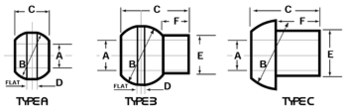
Bolster system stability and longevity with self-aligning bearings from PM Distributors. Discover their remarkable resilience against vibration and shock loads.
Self-aligning bearings are remarkable components known for their ability to fortify systems against vibration and shock loads. They are designed to bolster system stability and longevity, guaranteeing functions and benefits that different applications can fully maximise.
Functions of Self-aligning Bearings
Self-aligning bearings intend to accommodate misalignment between shafts and housings, allowing them to compensate for installation errors or shaft deflection. Unlike traditional bearings that require precise alignment, self-aligning bearings offer flexibility and adaptability, making them ideal for applications where misalignment is inevitable.
Normally, self-aligning bearings feature two rows of rolling elements like balls or rollers housed within a spherical outer ring. Their unique design allows the bearing to adjust its position relative to the shaft and housing, compensating for angular misalignment and shaft deflection. As a result, these bearings can maintain smooth operation even under conditions of vibration, shock loads, or shaft misalignment.
Key Advantages and Applications
The use of self-aligning bearings offers several advantages for mechanical systems.
First, self-aligning bearings can improve system stability by accommodating misalignment and minimising the risk of vibration-induced damage. These bearings can also prolong the lifespan of machinery and equipment as they can reduce stress on components and distribute loads more evenly. The flexibility of self-aligning bearings can then reduce the need for frequent adjustments or realignment, lowering maintenance requirements and downtime.
Likewise, self-aligning bearings can be used in a wide range of applications, including industrial machinery, automotive systems, and agricultural equipment. Lastly, the resilience of self-aligning bearings prevents premature wear and failure, which results in cost savings over the long term.
All these benefits of self-aligning bearings make them useful in various industries and sectors. They include the following.
• Industrial Machinery: Self-aligning bearings can be used in conveyors, pumps, fans, and other rotating equipment where misalignment is common.
• Automotive Systems: These bearings can also be employed in vehicle suspensions, steering systems, and drivetrain components to compensate for road-induced vibrations and shocks.
• Mining and Construction: Self-aligning bearings can be utilised in heavy-duty machinery and equipment subjected to rugged operating conditions and dynamic loads.
• Power Generation: Self-aligning bearings can be installed in turbines, generators, and gearboxes to withstand vibration and shock loads inherent in power generation processes.
Get Bearings from PM Distributors
PM Distributors offers a wide range of self-aligning bearings, boasting different dimensions that make them useful in the previously stated applications. We can also ensure your machines will be serviced with these bearings without any compromises, making sure they will work optimally. Our team can even establish good relationships with clients like you, making it more convenient for you to work with us.
Self-aligning bearings from PM Distributors can easily fortify mechanical systems against vibration and shock loads, enhancing stability, longevity, and reliability. Their ability to accommodate misalignment and shaft deflection makes them invaluable components in a wide range of industrial and automotive applications. By investing in our products, you can ensure the optimal performance and resilience of your machinery and equipment, even under the most difficult operating conditions.
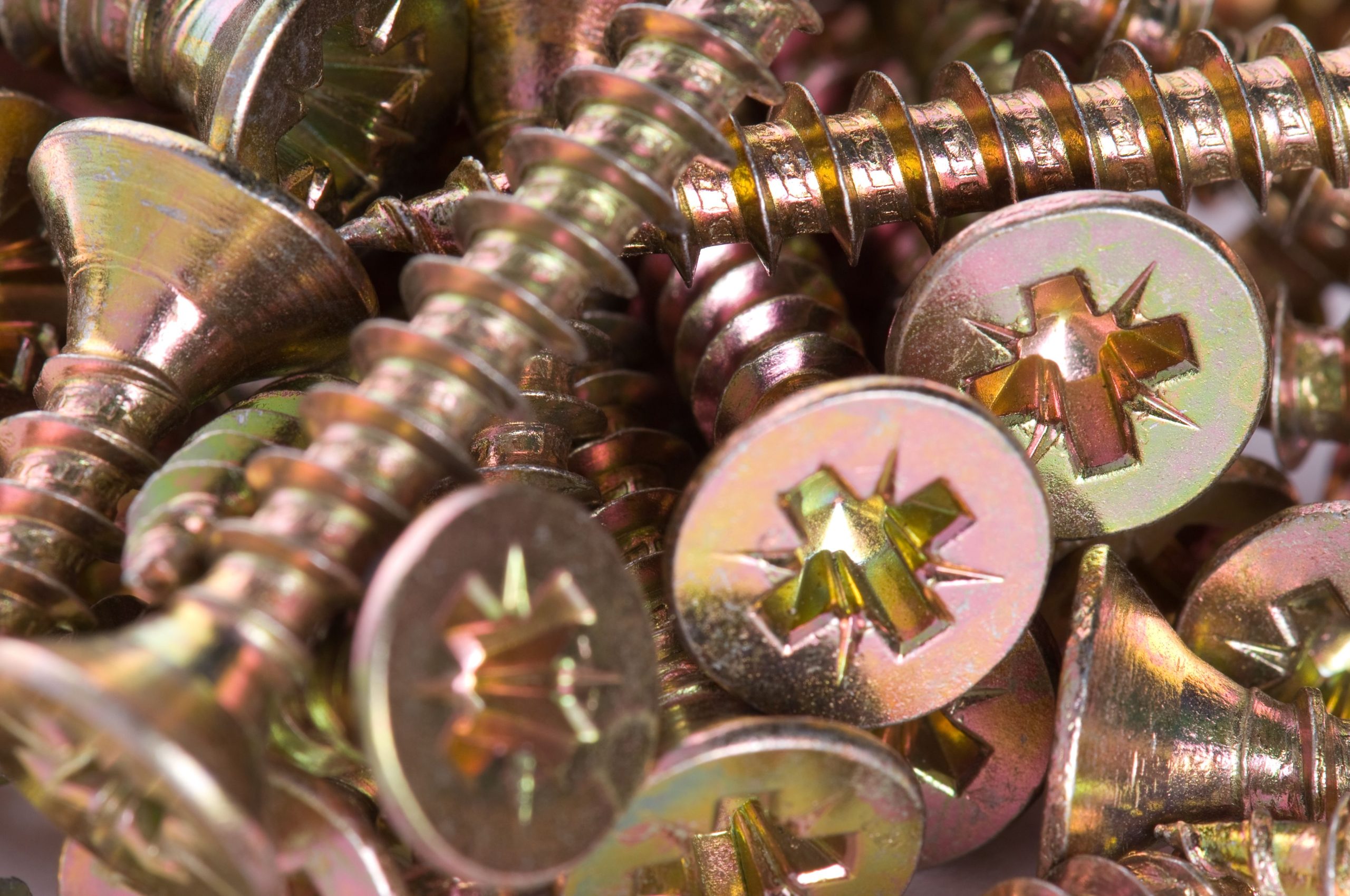
Know the properties of Indian brass powder and how PM Distributors use it to generate powder metallurgy components. Call us at +61 (3) 9794 5817 today.
Powder metallurgy components are being utilised in many industries today due to their outstanding characteristics. They are mostly known for being durable, reliable, and long-lasting. They are also cost-efficient, making them a more practical option for industries that want to cut costs without compromising quality. Now, many materials can be used to craft and generate powder metallurgy components. One of them is the Indian brass powder.
Indian Brass Powder and Powder Metallurgy
Powder metallurgy is a manufacturing process involving the production of metal parts through blending, compacting, and sintering metal powders. This versatile technique creates intricate components with specific properties, making it a preferred method in various industries.
One material that can be utilised for powder metallurgy is Indian brass powder. It is derived from a blend of copper and zinc, which allows it to possess distinctive properties that make the material ideal for powder metallurgy applications. Some of these properties are as follows.
• Durable and Versatile: Brass offers a balance of strength, corrosion resistance, and malleability, which makes it suitable for a wide range of components.
• Sinterability: Indian brass powder exhibits excellent sinterability, allowing for effective bonding during powder metallurgy. It ensures the creation of durable and well-consolidated components.
• Dimensional Accuracy: The fine particle size of Indian brass powder contributes to enhanced dimensional accuracy in the final components, meeting tight tolerances required in industries.
Quality Assurance for Indian Brass Powder
When utilising Indian brass powder for the powder metallurgy process, our team at PM Distributors ensures that high-quality components will be produced. We only maximise high-quality Indian brass powder when carrying out key steps of powder metallurgy by ensuring consistent particle size, composition, and sintering characteristics. All these things help contribute to the reliability and performance of the final components.
Indian Brass Powder: Primary Applications
If you intend to utilise Indian brass powder for your powder metallurgy or sintered components, you can expect it to be useful in a lot of applications across diverse industries.
The automotive sector, for instance, can craft Indian brass powder car components and accessories that are lightweight, corrosion-resistant, and precisely engineered. The electronics industry can also utilise this metal powder in crafting connectors, terminals, and other intricate electrical components. The industrial machinery sector can likewise use Indian brass powder to craft machine parts, ensuring longevity and efficient performance.
Lastly, consumer goods like household appliances and decorative elements can use Indian brass powder to ensure they will truly last for a long time.
As industries demand components with superior precision, durability, and versatility, Indian brass powder can be your reliable ally in powder metallurgy. Its distinctive properties and applications across diverse sectors underscore its pivotal role in shaping the future of component manufacturing. With a commitment to quality and innovation, PM Distributors paves the way for creating components that not only meet but exceed the expectations of precision and performance in the powder metallurgy industry.
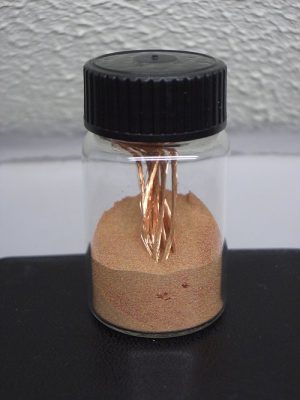
Expect precise motion control with bearings made from copper powder. Optimise the responsiveness and positional accuracy of your tools. Call +61 (3) 9794 5817.
Modern machinery and equipment take advantage of components that can help them carry out operations smoothly and swiftly. One of the components they maximise is a bearing. Bearings in general are mechanical components meant to support rotational or linear movement of machines and tools. They can also reduce friction and support loads. Once installed, these components can significantly facilitate smooth motion between two or more moving parts.
A lot of materials can be used to produce bearings. One of them is copper powder.
The Composition of Copper Powder Bearings
Copper powder is a material that can be used to fabricate bearings. Copper powder bearings are a type of self-lubricating bearings that maximise copper as their main component. They are often generated through powder metallurgy, where the powdered form of copper is sintered with other materials. The oil then penetrates and fills the labyrinth of gaps where pure copper has been powdered and compressed. Once the powder metallurgy is done, copper powder bearings are expected to exhibit exceptional properties that are vital to motion control applications.
Copper Powder Bearings: Key Characteristics
The different characteristics of copper powder bearings allow them to be useful in many applications, especially those that require precise motion control. They include the following.
• Self-Lubricating Property: Copper powder bearings are fundamentally self-lubricating. Their copper particles within the bearing matrix work as solid lubricants, which reduces friction and wear between moving mechanical components.
• High Thermal Conductivity: The core material of these bearings copper is known for its excellent thermal conductivity. In motion control applications, copper powder bearings can efficiently transfer heat away from friction areas, preventing them from overheating.
• Corrosion Resistance: Copper powder bearings showcase remarkable corrosion resistance. This specific attribute secures long-lasting bearings, particularly in harsh environments.
• High Load-Carrying Capacity: Sintering used in creating copper powder bearings results in a dense and structurally sound material. The composition of these bearings contributes to their capacity to handle high loads, making them suitable for applications requiring robust support.
PM Distributors Offers Copper Powder Bearings
At PM Distributors, we offer copper powder bearings for applications that require precise motion control. The robotics and automation field, for one, can take advantage of our copper powder bearings to ensure the smooth operation of robotic arms and automation components. The field of aerospace can likewise integrate copper powder bearings into their aircraft control surfaces and landing gear mechanisms to secure reliability in their respective functions.
The medical industry can also maximise our copper powder bearings and install them in medical devices like surgical robots, imaging equipment, and diagnostic instruments.
Aside from these industries, copper powder bearings are expected to bring more innovations in other industries thanks to continuous technical advancements. Our team at PM Distributors are dedicated to enhancing their properties to make them more suitable for emerging applications that demand increasingly efficient and precise motion control.
Copper powder, with its self-lubricating nature, high thermal conductivity, and corrosion resistance, stands out as an ideal candidate for applications requiring unparalleled precision. Contact PM Distributors today to gain advantage of our copper powder bearings.
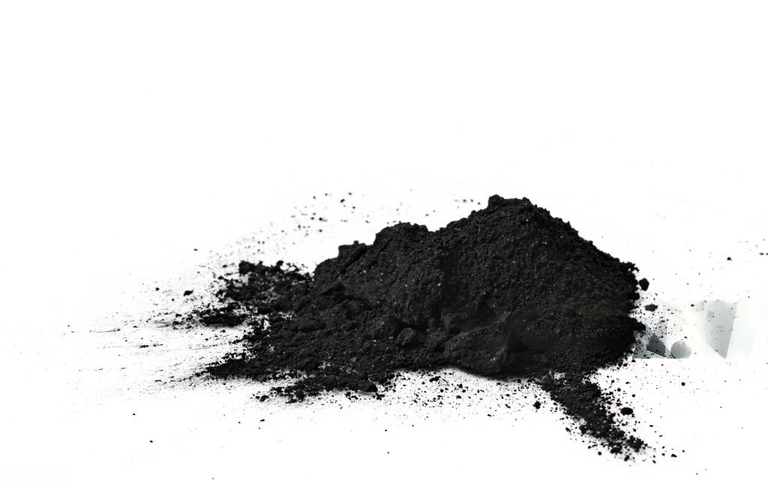
Unlock the potential of powder metallurgy with fine graphite powder at PM Distributors. Enhance precision and performance. Call us at +61 (3) 9794 5817.
Powder metallurgy forms the backbone of industrial applications as it refines the precision and performance of a wide range of parts and components. While numerous materials can be processed through powder metallurgy, one that stands out among them is fine graphite powder. Its microscopic particles bring forth a lot of benefits that elevate metallurgical processes to new heights. We, at PM Distributors, can process this material to generate high-quality parts.
Understanding Fine Graphite Powder
Fine graphite powder is a finely ground form of graphite, a naturally occurring form of carbon. It is produced by processing natural or synthetic graphite to achieve a fine particle size.
This specific metal powder is known for its numerous unique characteristics. For one, it maximises small particle size, allowing it to disperse uniformly in various mediums. Fine graphite powder is also manufactured to high purity levels. This quality is vital for applications where contamination or impurities could impact the performance or quality of the end product.
Another notable feature of fine graphite powder is its self-lubricating nature. When in powder form, it can act as a dry lubricant, reducing friction and wear between moving parts in machinery and equipment. Fine graphite powder can likewise be easily moulded into different shapes. This property is particularly useful in foundry applications where intricate moulds are required for casting metals.
Fine Graphite Powder’s Advantages
When using fine graphite powder in powder metallurgy processes, you can expect end products to boast the following advantages.
• Heat Resistant: Fine graphite powder boasts exceptional heat resistance and thermal conductivity properties. In metallurgical applications, where extreme temperatures are commonplace, these qualities become invaluable. Whether in crucibles, moulds, or as part of specialised coatings, fine graphite powder ensures stability under intense heat, contributing to efficient heat transfer and uniform temperature distribution.
• Electrically Conductive: For applications requiring electrical conductivity, such as in the production of electronic components, fine graphite powder is a preferred choice. Its conductive nature makes it an excellent candidate for manufacturing electrical contacts, brushes, and other components where a reliable flow of electricity is critical.
• Improved Precision: Graphite’s mouldability makes it a preferred material in foundry applications. When finely powdered, it becomes an ideal component for moulding compounds. The powder helps create precise moulds, ensuring the casting of complex metal shapes with minimal defects.
• Effective Thermal Insulation: In certain metallurgical processes, maintaining specific temperatures is essential. Fine graphite powder, when integrated into insulating materials, contributes to effective thermal insulation, making it beneficial in the production of semiconductors and specialised alloys.
• Corrosion Resistant: Metals exposed to harsh environments are susceptible to corrosion. Fine graphite powder, when utilised in coatings, forms a protective layer that enhances corrosion resistance. This quality allows the metal powder to be useful in industries dealing with aggressive chemicals or in marine applications where metals are exposed to saltwater.
Graphite powder delivers invaluable benefits across metallurgical applications, showcasing its versatility. Adding this material enhances heat resistance, lubrication, and precision in moulding. Graphite powder is an essential component shaping innovations in modern metallurgy. For expertise in utilizing this metal powder, collaborate with PM Distributors. Our knowledge of graphite powder assists clients across industries in perfecting processes and improving product quality. Partner with us to leverage graphite powder’s advantages in your metallurgical endeavours.
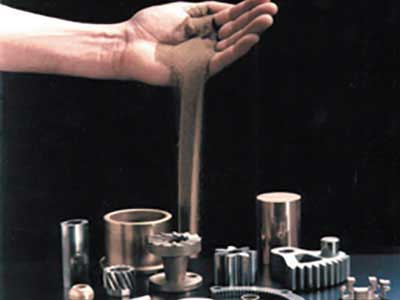
Expect improvements on your sintered parts with Tin Powder-325. Produced by PM Distributors, explore its diverse uses across industries. Call +61 (3) 9794 5817.
Precision shaping of metal components is a critical process in powder metallurgy and can be influenced by the material that will be used. One of the materials that can be used during the said process is Tin Powder-325. Characterised by its fine particle size, this material has emerged as a go-to material for achieving high-quality results in metal fabrication.
Tin-Powder 325: A Quick Introduction
Tin Powder-325 refers to tin particles that have been finely milled to a specific particle size, typically 325 mesh or finer. The term “mesh” refers to the number of openings per linear inch in a sieve through which the particles pass. In the case of Tin Powder-325, the fine particle size makes it suitable for powder metallurgy applications where precision and uniformity are paramount.
Major Advantages of Tin-Powder 325
The particle size and innate properties of Tin Powder-325 help it provide tons of benefits to a variety of applications in different industries. Some of its advantages include the following.
• Uniform Distribution: The fine particle size of Tin Powder-325 ensures a consistent and uniform distribution of particles during powder metallurgy. This specific quality of the powder helps create components with precise dimensions and enhanced mechanical properties.
• High Compaction Density: The small particle size of Tin Powder-325 then allows for high compaction densities during the shaping process, resulting in components with improved strength and density that can be advantageous for applications where mechanical properties are critical.
• Enhanced Sintering: Sintering, a key step in powder metallurgy, is optimised with Tin Powder-325. The fine particles of this powder facilitate a more effective sintering process, leading to components with reduced porosity and improved structural integrity.
• Tailored Material Properties: Tin Powder-325 allows for the tailoring of material properties to meet specific application requirements, which makes the metal powder a valuable resource for industries seeking customised solutions in powder metallurgy.
Uses of Tin-Powder 325 in Industries
All the advantages and features of Tin-Powder 325 make it useful in many applications.
Tin Powder-325, for instance, can be useful in producing sintered bearings. The fine particle size of Tin Powder-325 allows for uniform compaction and sintering, resulting in bearings with excellent dimensional accuracy and enhanced performance characteristics.
The same metal powder can be used in making electrical contacts. Tin Powder-325, when processed through powder metallurgy techniques, can be used to produce intricate electrical contact components with consistent conductivity, making them crucial in applications where reliable electrical connections are essential. Industries requiring soft magnetic materials can also utilise Tin Powder-325. This metal powder can be utilised to create cores for transformers and inductors thanks to its fine particle size that ensures homogeneity in the magnetic properties of the final product.
Lastly, Tin Powder-325 can be used to produce soldering pastes and preforms due to its low melting point. These materials can be maximised in electronic assembly.
Tin Powder-325 stands as a versatile and essential material in powder metallurgy, offering a myriad of applications across industries. If you want to maximise this metal powder in your applications, you can contact our experts at PM Distributors today!
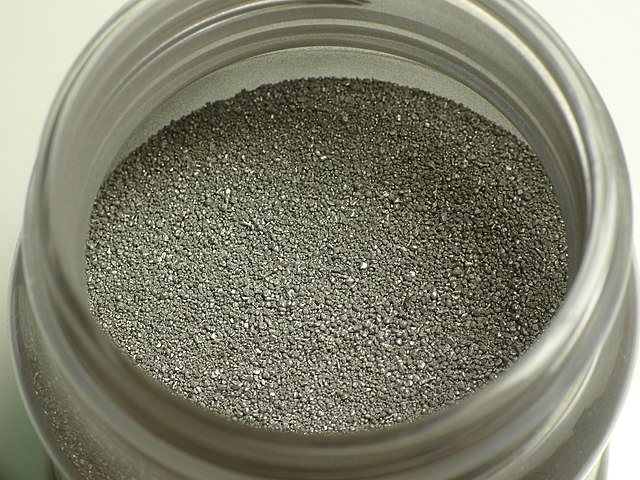
Acquire enhancements in manufacturing sintered parts and components by using iron powder-NC100-24. Know its advantages and uses. Call +61 (3) 9794 5817.
Before, a variety of parts and components could only be crafted using sheets or bars of metals. As time passes, manufacturers start to adopt metal powders as one of their primary sources of metals, improving their overall production in terms of cost and efficiency. One of the metal powders industries can maximise today is iron powder, particularly the NC100.24.
Iron powder-NC100-24 is generally known for its exceptional properties and versatility in various applications. We, at PM Distributors, can utilise this type of metal powder to create parts and components you may need and require for your applications.
A Quick Overview of Iron Powder
The iron powder-NC100-24 is a type of iron powder used in producing sintered parts. Sintering is a manufacturing process where a powdered material is heated to a temperature below its melting point, which causes the particles to bond together. As long as it is carried out by professionals, this process can result in a solid, compacted part with precise geometry.
When sintering iron powder-NC100-24, we ensure that the necessary temperature and pressure conditions are met and controlled carefully. Doing this ensures that the desired part properties can be achieved. Quality control measures ensure that the sintered parts out of iron powder-NC100-24 meet precise specifications and standards.
Iron Powder-NC100-24 Properties
Iron powder-NC100-24 boasts a lot of properties that make it ideal in many applications. These properties include the following.
• High Purity: This type of iron powder is known for its high purity, ensuring that the final sintered part is free from impurities that could compromise its structural integrity.
• Density Control: At PM Distributors, we can achieve specific density levels by adjusting the amount of iron powder-NC100-24 used in the sintering process.
• Sintering Efficiency: Iron powder-NC100-24 sintered parts exhibit excellent dimensional stability and resistance to distortion during the sintering process.
• Magnetic Properties: The iron-based composition of this powder imparts magnetic properties to sintered parts, making it ideal for applications in electromagnetics.
• Cost-Effective: The iron powder-NC100-24 is a cost-effective choice for producing sintered parts with superior mechanical properties.
The Uses of Iron Powder-NC100-24
The iron powder-NC100-24 can be used in a wide range of industries.
The automotive industry, for instance, can use this powder in manufacturing engine components, transmissions, and steering systems. The iron powder-NC100-24 can also be used in the manufacturing industry to produce precision gears, bushings, and structural components. Even the aerospace industry can use this metal powder to generate aircraft systems and components. Lastly, this metal powder can be employed in electromechanical and magnetic applications.
The iron powder-NC100-24 plays a pivotal role in sintered parts manufacturing. Its unique properties make it a valuable choice for a range of industries, delivering cost-effective solutions with high purity, density control, and magnetic properties. Whether in the automotive, aerospace, or electronics sectors, this metal powder contributes to the production of durable and efficient sintered components that drive innovation and performance. Partner with PM Distributors today to secure sintered parts and components out of iron powder-NC100-24.
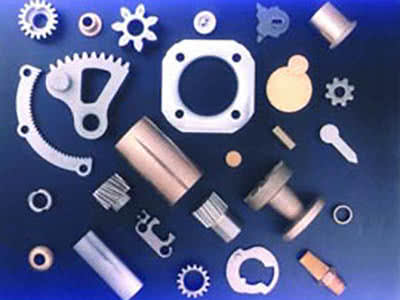
Boost the performance of your vehicle with sintered exhaust gaskets from PM Distributors. Optimise sealing in exhaust systems. Call us at +61 (3) 9794 5817.
Every component in the exhaust system in a vehicle plays a crucial role in its operation. Without maximising functional components, a car may not work optimally and efficiently, leading to more issues along the way. One often overlooked but critical component of the said system is the exhaust gasket.
Traditional exhaust gaskets have served their purpose well, but in the pursuit of better durability and performance, sintered exhaust gaskets have emerged as a game-changer.
An Overview of Sintered Exhaust Gaskets
Sintered exhaust gaskets are special types of gaskets being produced by our team at PM Distributors. They are generated out of sintering, a manufacturing process involving compacting powdered materials and heating them at high temperatures until they fuse together. These steps result in a solid, durable, and porous structure well-suited for applications that require high temperature and pressure resistance. These gaskets are often made from metal powders like stainless steel or other alloys.
Benefiting from Sintered Exhaust Gaskets
When you invest in sintered exhaust gaskets for your vehicle, you can easily gain tons of benefits. These benefits include the following.
• Enhanced Sealing: Sintered exhaust gaskets provide a superior seal between exhaust components, which prevents exhaust leaks. Their tight sealing ensures that exhaust gases flow through the intended path, improving overall system efficiency.
• Boosted Durability: These gaskets are likewise built to withstand extreme temperatures and pressure fluctuations, making them exceptionally durable. They are less prone to warping or deteriorating over time, which ensures a longer service life.
• Better High-Temperature Resistance: Sintered gaskets can even handle the intense heat generated by exhaust systems without deforming or failing. This benefit is essential in high-performance and turbocharged engines.
• Improved Performance: By maintaining a tight seal and minimising exhaust leaks, sintered exhaust gaskets can easily contribute to significant improvements in engine performance. This characteristic leads to better horsepower and torque output.
• Reduced Maintenance: The durability and reliability of sintered exhaust gaskets, lastly, translate to reduced maintenance and replacement costs since they require less frequent replacement and servicing compared to traditional exhaust gaskets.
Sintered Exhaust Gaskets: Proper Selection
If you want to consider the right sintered exhaust gaskets for your vehicle, you must opt for one based on your specific needs and the requirements of your exhaust system.
One of the factors you must consider is the material. Different materials offer varying levels of durability and performance. Stainless steel and other alloys are common choices as they boast unique advantages. Another factor you must consider is their compatibility with your vehicle’s make and model. Failure to consider this factor can only lead to fitment issues.
The size and shape of your gaskets must likewise be considered heavily to ensure they fit your exhaust components snugly. Ultimately, you must consider the intended use of your vehicle. Some vehicles may be intended for daily driving, while others are for racing or off-roading. Utilising the right sintered exhaust gaskets can help them withstand the elements they may face during the drive.
Sintered exhaust gaskets’ superior sealing capabilities, durability, and resistance to high temperatures make them an excellent choice for both daily drivers and high-performance vehicles. When properly selected and installed, sintered exhaust gaskets from PM Distributors contribute to improved system efficiency, reduced maintenance costs, and enhanced overall vehicle performance.
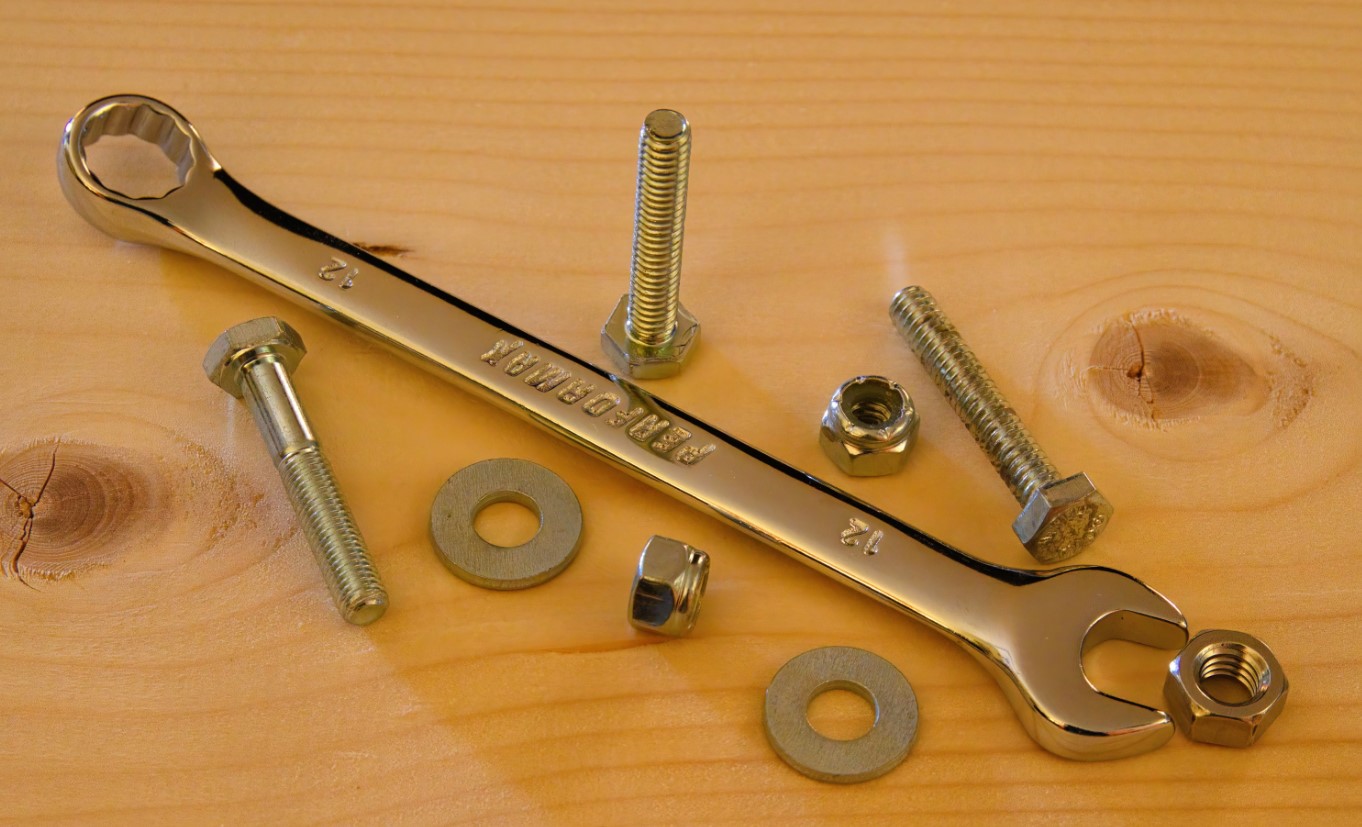
Find the perfect inner diameter and outer diameter for your sintered washers from PM Distributors. Get your washer supply in Victoria. Call +61 (3) 9794 5817.
In industrial applications, sintered washers play a crucial role in maintaining structural integrity and preventing friction-related issues with machines, equipment, and others. When replacing them, you must find sintered washers with the right inner diameter (ID) and outer diameter (OD) to achieve a seamless fit and optimal performance.
At PM Distributors, we can help you understand the essence of the right ID and OD for your sintered washers. We can also supply them as quickly as possible.
The Significance of Matching ID and OD
Generally, sintered washers are components typically made from powdered metals that have been compressed and heated to create solid pieces with porosity for lubrication or retention of liquids. They are commonly used in bearings, bushings, and others where reducing friction and wear is crucial.
Now, matching the ID and OD for sintered washers is a must to achieve the following.
• Precise Fit: Sintered washers should fit snugly within the assembly to maintain proper alignment and function. Mismatched ID and OD can lead to misalignment, causing operational issues.
• Proper Load Distribution: Correctly sized washers distribute loads evenly, preventing localised stress concentrations that can result from poor fit.
• Quality Sealing:In applications requiring sealing, such as oil retention or preventing contaminants from entering, a precise ID and OD ensure an effective seal.
Find the Right Inner and Outer Diameters
To find the right ID and OD for your sintered washers, you must first measure your existing washer. If you have an old or damaged sintered washer, measure both the inner and outer diameters using callipers or a micrometre. You must then refer to the equipment’s documentation or engineering drawings to find the right ID and OD dimensions. Ultimately, you must consult with a professional if you are unsure about the correct dimensions. You can contact us at PM Distributors for expert guidance.
PM Distributors Offers Sintered Washers
Contacting us can help you gain access to a wide selection of sintered washers. Our sintered washers come in various ID and OD combinations, ensuring you can find the perfect match for your applications. They also come in various thicknesses.
Our sintered washers are likewise manufactured to meet high-quality standards, providing durability and reliability in demanding environments. Our team can even assist you in selecting the right sintered washers based on your specifications, ensuring a precise fit. Now, if your application requires unique dimensions or specifications, we can provide custom sintered washers tailored to your needs. Lastly, we can offer timely delivery to minimise downtime. Timely replacements are, after all, necessary to avoid inconveniences in your total operations.
Choosing the right ID and OD for your sintered washers is essential to maintain the efficiency and longevity of your machinery and equipment. We, at PM Distributors, can offer an extensive selection and provide you with expert guidance in finding the perfect fit for your sintered washer replacements.
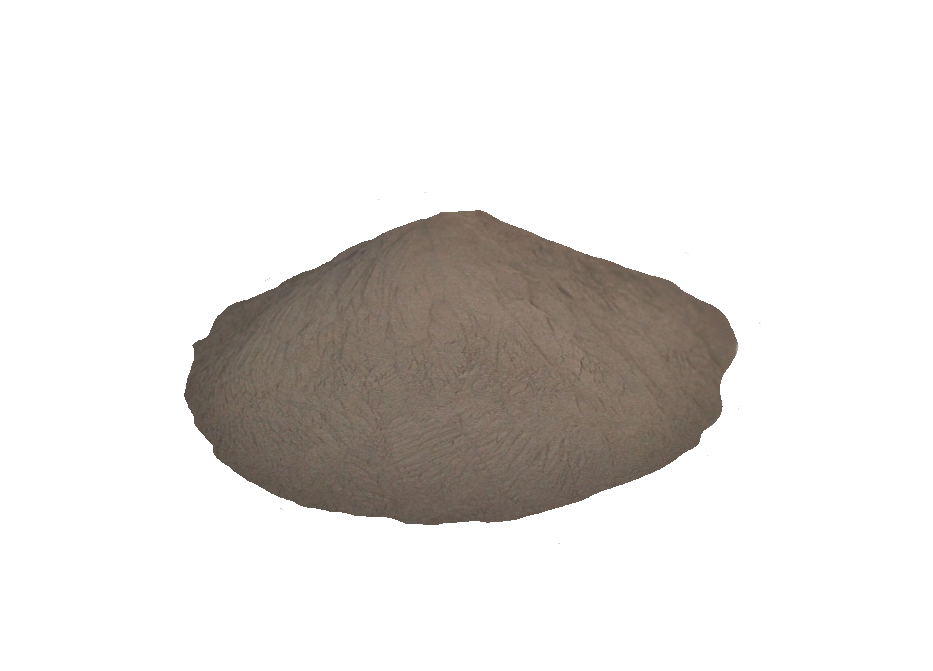
Reshape automotive engineering through stainless steel powder metallurgy by PM Distributors. Know more about the process and its uses. Call +61 (3) 9794 5817.
The landscape of automotive engineering continues to evolve these days. Hence, innovations continually drive advancements in performance, efficiency, and durability. Stainless steel powder metallurgy has emerged as a transformative technology, redefining the manufacturing and design possibilities in the automotive industry.
Stainless Steel Powder Metallurgy: Key Steps
Stainless steel powder metallurgy is a manufacturing process carried out by PM Distributors. It involves shaping stainless steel powders into intricate components through numerous steps.
The first step is powder production. High-quality stainless steel powders must be produced through various methods like atomisation or gas atomisation, ensuring a consistent composition. Powder blending is the next step that involves blending stainless steel powders with carefully selected alloying elements to achieve the desired material properties. Once blended, these powders can attain enhancement in corrosion resistance, strength, and durability.
The next step of stainless steel powder metallurgy is compaction. The blended powder is loaded into a die and compacted using hydraulic or mechanical presses. This process generates a green compact with the general shape of the final part. The green compact is subsequently subjected to high-temperature sintering in a controlled atmosphere. During sintering, the stainless steel powder particles mix, resulting in a dense and fully metallurgical part with the desired properties.
Any quality enhancements can be finally integrated into the workpieces with secondary operations like machining, heat treatment, and surface finishing.
Sintered Products for Automotive Engineering
Automotive engineering can benefit from stainless steel powder metallurgy through a wide array of sintered products and components. Some notable applications of stainless steel powder metallurgy in automotive engineering are as follows.
• Engine Components: Stainless steel powder metallurgy is used to manufacture critical engine components like connecting rods, valve seats, and camshafts. They require high strength, wear resistance, and corrosion resistance, making stainless steel an ideal choice.
• Transmission Systems: Gears, synchronisers, and other transmission components can also benefit from the dimensional accuracy and durability offered by stainless steel powder metallurgy.
• Exhaust Systems: Stainless steel powder metallurgy plays a key role in creating exhaust system components that can withstand high-temperature and corrosive environments, contributing to emissions control and improved engine efficiency.
• Fuel Injection Systems: Stainless steel powder metallurgy is used to produce precise fuel injector components, ensuring accurate fuel delivery and combustion efficiency.
• Structural Components: Stainless steel powder metallurgy is likewise maximised in structural components, contributing to vehicle safety and crash performance.
Benefits of Stainless Steel Powder Metallurgy
The adoption of stainless steel powder metallurgy in automotive engineering brings several benefits.
First, it allows the production of complex, net-shaped components that cannot be achieved through traditional manufacturing methods. Additionally, it can minimise material waste, which contributes to sustainability efforts. Stainless steel powder metallurgy can also be cost-effective for high-precision, high-volume production runs. It even enables customisation by changing material properties through alloying and sintering. Ultimately, stainless steel powder metallurgy can help meet stringent fuel economy and emissions standards as it produces lightweight parts.
Stainless steel powder metallurgy is revolutionising the automotive industry by enabling the production of high-performance components with superior properties. With continuous advancements in material science and manufacturing technology and the help of professionals like PM Distributors, this process is poised to drive innovation and elevate automotive design and functionality for a long time.
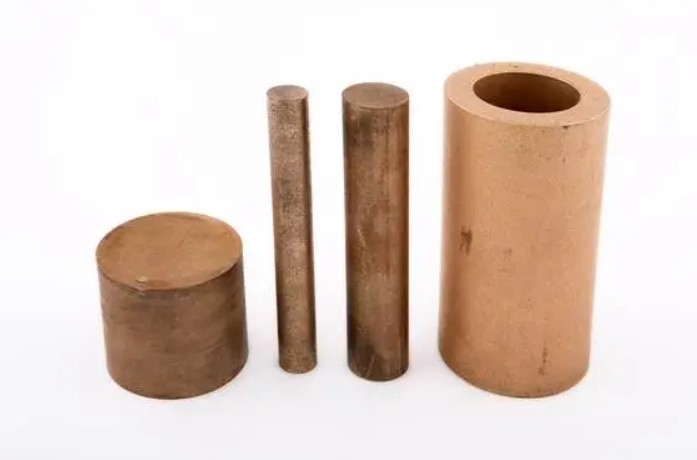
Discover the strength of sintered bronze hollow bars as a pivotal solution for high-temperature environments. Explore their benefits! Call +61 (3) 9794 5817.
The manufacturing and engineering sector maximises a wide array of components to ensure the proper functioning of machines, structures, and so on. One of these components is hollow bars. Hollow bars can be generated out of different processes. But through sintering, sintered bronze hollow bars are produced. These special components offer remarkable strength and resilience, making them a preferred choice in various industries.
Producing Sintered Bronze Hollow Bars
Sintering is a process where metal powder is compacted and heated without melting. This process forms the foundation of sintered bronze hollow bars as it creates intricate pores within the material, resulting in a structure that boasts both strength and porosity. The sintering process not only enhances the material’s mechanical properties but also allows for intricate designs and optimal heat resistance.
Different properties are obtained by sintered bronze hollow bars. Some of them are as follows:
· High-Temperature Endurance: Sintered bronze hollow bars exhibit exceptional resistance to high temperatures, making them ideal for applications where other materials may falter.
· Friction and Wear Resistance: The inherent properties of sintered bronze result in reduced friction and wear. So, once used in making hollow bars, they can become effective for environments with constant movement and stress.
· Corrosion Resistance: Sintered bronze’s composition offers corrosion resistance, making it a reliable choice in corrosive high-temperature environments.
· Strength and Durability: The unique structure of sintered bronze imparts impressive mechanical strength and durability, which ensures longevity even under extreme conditions.
· Precision and Customisation: Sintering allows for intricate designs and customisation, enabling the creation of components tailored to specific applications.
Primary Applications Across Industries
Sintered bronze hollow bars find a home in a multitude of industries, offering solutions to challenges posed by high-temperature conditions.
In aerospace applications, sintered bronze hollow bars are utilised for their ability to withstand the extreme temperatures experienced during flight and re-entry. Additionally, the oil and gas industry benefits from sintered bronze hollow bars in critical equipment where exposure to high temperatures and corrosive substances is common.
Sintered bronze hollow bars also find applications in automotive engines and exhaust systems, where high temperatures are prevalent. Even high-temperature manufacturing processes, such as metal casting, can benefit from sintered bronze hollow bars due to their heat-resistant properties. Likewise, sintered bronze hollow bars play a role in various energy generation systems, such as turbines and power plants, where elevated temperatures are inherent.
Use Sintered Bronze Hollow Bars by PMD
The use of sintered bronze hollow bars contributes to environmental sustainability by reducing the need for frequent replacements due to material degradation. Additionally, their resistance to wear and corrosion leads to cost savings over the long term.
We, at PM Distributors, believe that sintered bronze hollow bars play a pivotal role in combining innovation and endurance. Their unique manufacturing process, coupled with exceptional mechanical properties, allows these products to thrive in the harshest high-temperature environments. As they find their place across industries, sintered bronze hollow bars underscore the importance of developing materials that can withstand the heat of progress.