
Self-Lubricating Bearings for OEM Automation: Supplier Standards That Matter
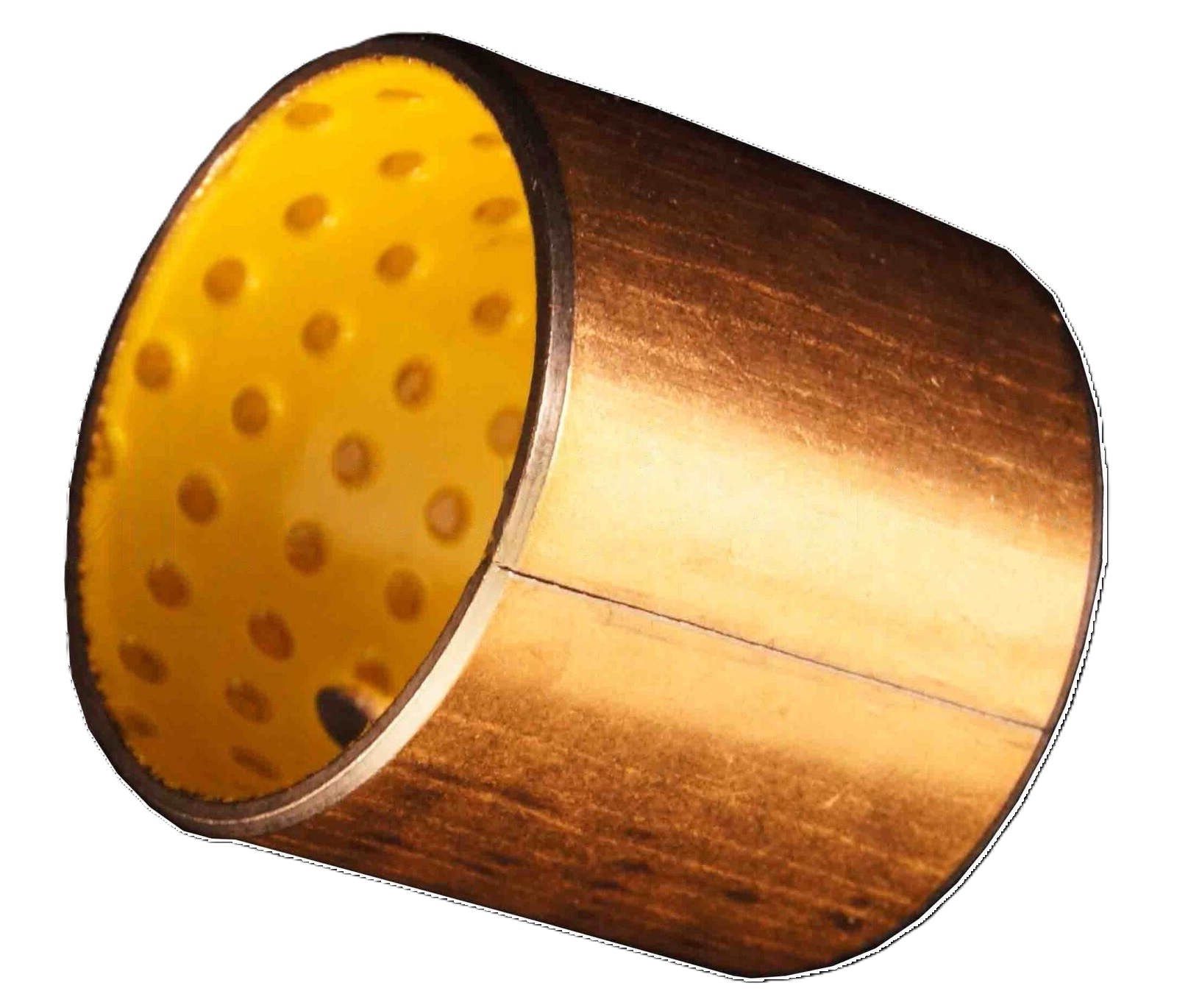
Support OEM automation projects in Melbourne with PM Distributors, a self-lubricating bearings supplier focused on reliable supply and OEM needs.
Automation systems demand reliability, repeatability, and minimal maintenance to sustain consistent OEM performance. Self-lubricating bearings help reduce downtime, but only when sourced from a capable self-lubricating bearings supplier that meets strict quality and supply standards. For OEM automation environments, procurement decisions are driven by supplier compliance, consistency, and long-term availability rather than bearing theory alone.
Why OEM Automation Places Higher Demands on Bearing Suppliers
• Continuous operation environments: Automated systems often run for extended periods, requiring bearings that maintain stable performance under constant motion and load.
• Tight tolerances and consistency across production runs: Even minor dimensional variation can disrupt automated processes, making batch-to-batch consistency essential for OEM equipment.
• Downtime costs in automated systems: Unplanned bearing failures can stop entire production lines, resulting in significant financial and operational losses.
Performance and Consistency Requirements for OEM Supply
Beyond meeting baseline performance expectations, OEM bearing supply also depends on strict manufacturing consistency to ensure every unit delivers the same reliable fit and function in high-precision applications.
• Dimensional Accuracy and Repeatability: Consistent dimensional accuracy ensures bearings fit correctly across batches without requiring rework or design modification. In automated systems, poor repeatability can cause misalignment, vibration, and accelerated component wear.
• Material Performance Under Continuous Operation: Bearings used in automation must handle ongoing loads, operating speeds, and temperature exposure without performance loss. Material suitability is critical in dry or maintenance-restricted environments where re-lubrication is limited or impractical.
• Supply Capabilities OEMs Expect as Standard: OEM automation projects depend on suppliers who can support production continuity and long-term equipment builds. Supply capability is critical in preventing disruptions that can delay manufacturing schedules or compromise system design.
• Bulk and Repeat Order Availability: OEMs require suppliers that can support bulk volumes and repeat orders without variation in specification or quality. Reliable availability helps avoid costly redesigns or component substitutions caused by unexpected supply changes.
• Stock Holding and Lead Time Reliability: Consistent stock holding reduces reliance on offshore supply chains that can introduce unpredictable delays. Reliable lead times allow OEMs to plan automation projects accurately and meet delivery commitments with confidence.
Automation Applications Where Self-Lubricating Bearings Are Critical
• Conveying systems: Support continuous movement of materials while reducing friction and wear in high-cycle environments.
• Robotics and actuators: Enable precise, repeatable motion in joints and linkages where lubrication access is limited.
• Packaging, sorting, and assembly machinery: Maintain smooth operation across fast-paced, repetitive processes with minimal downtime.
• Linear motion and guide systems: Ensure stable, low-friction movement in applications requiring accurate positioning and alignment.
Supplier Support That Adds Value Beyond the Bearing
Effective supplier support extends beyond component supply and plays a critical role in OEM automation outcomes. Reliable guidance helps ensure bearings are correctly specified for application, load, and operating conditions.
OEMs also benefit from suppliers that can respond quickly to specification changes without compromising compliance or availability. Clear documentation and product traceability further support quality assurance, regulatory requirements, and long-term equipment support.
Supporting OEM Automation Projects with PM Distributors
PM Distributors brings established industrial supply experience to OEM automation projects, supporting manufacturers that require consistent quality and dependable sourcing from a self-lubricating bearings supplier. Our range of self-lubricating bearing solutions helps OEMs maintain specification alignment across automated systems and production runs.
OEM and automation clients can explore our self-lubricating bearing range online and contact us for practical guidance.
Reliable Automation with the Right Self-Lubricating Bearings Supplier
OEM automation success depends on reliable supply, consistent support, and long-term supplier alignment rather than component selection alone. At PM Distributors, self-lubricating bearings achieve dependable performance when sourced through a trusted self-lubricating bearings supplier with proven supply continuity and technical support.
Related Blog Article: Sintered Self-Lubricating Bearings – Enhancing Agricultural Machinery Efficiency in Australia
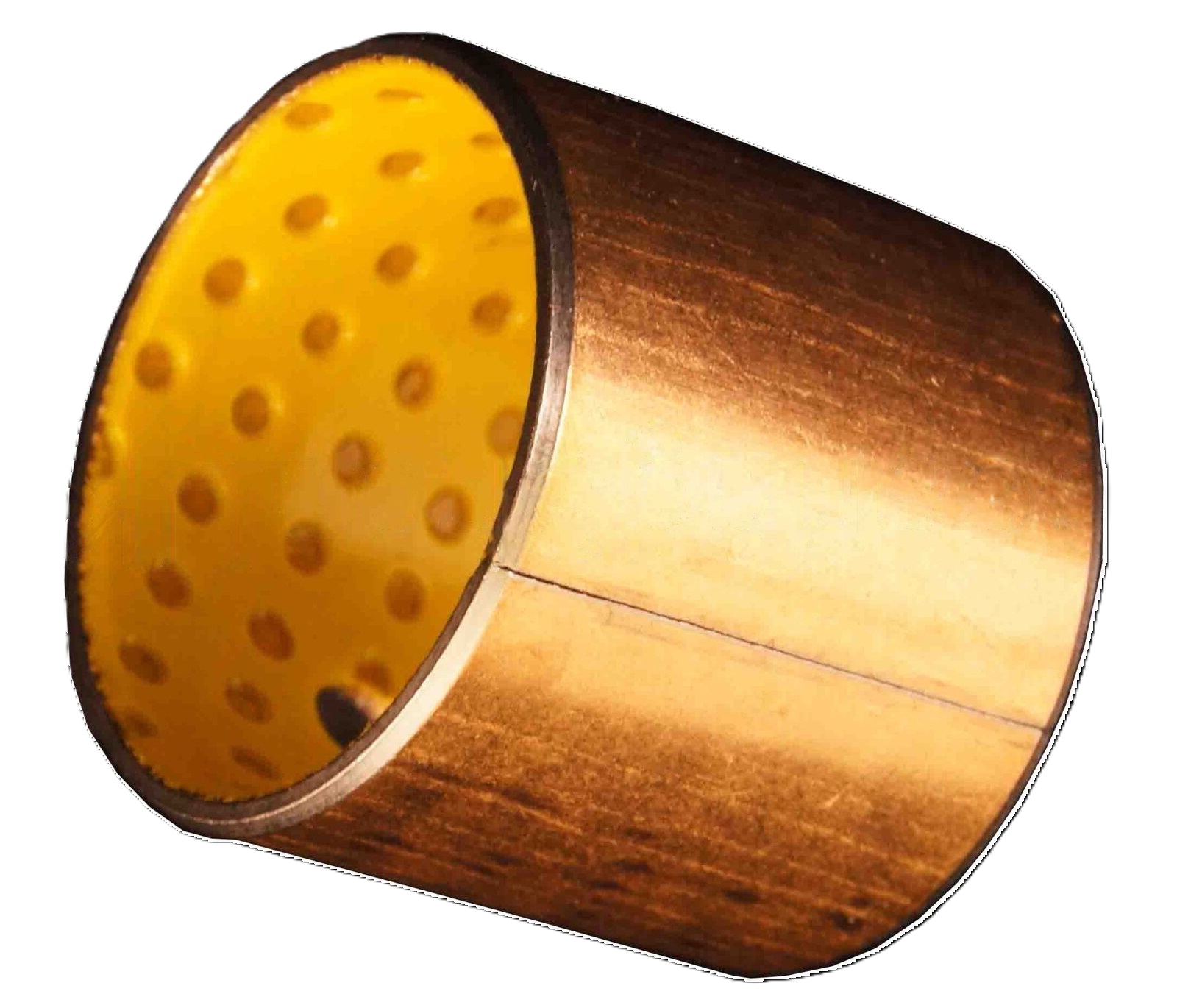
Reduce machinery wear effectively using glacier bearings available from PM Distributors in Melbourne, engineered to meet strict OEM performance standards.
Reliability is essential for heavy-duty machinery that works in tough conditions, where part failure causes expensive delays. Original Equipment Manufacturers (OEMs) need parts that meet strict engineering rules to guarantee long life and performance. Using high-quality glacier bearings ensures the required strength and accuracy for continuous, heavy-load industrial jobs.
Advanced Material Science in Constructing Glacier Bearings
Selecting the appropriate bearing material directly influences the maximum load capacity and operational temperature tolerance of the machinery. Bimetallic constructions utilise a robust steel shell to provide structural integrity. A precisely specified bronze or PTFE lining delivers optimal friction characteristics.
Engineers must rigorously evaluate parameters like fatigue strength and corrosion resistance when specifying bearings for demanding applications. Precision manufacturing ensures the necessary geometric accuracy. This accuracy is critical for maintaining adequate oil film thickness and preventing premature wear, even under dynamic loading conditions.
For further knowledge about the fatigue and construction of multilayer coatings for plain bearings, see the technical thesis on “Fatigue of multilayer coatings for plain bearings”.
Specifying High-Performance Bearing Alloys
OEMs assessing components need to look beyond dimensional requirements and evaluate the inherent properties of the bearing alloys selected. These engineered metal combinations are developed to manage poor lubrication conditions while supporting heavy and repetitive loads. Their structural stability prevents premature failure in machinery exposed to continuous operational stress.
Engineers rely on performance criteria such as load-bearing capacity, friction and wear behaviour, corrosion resistance, thermal conductivity, and fatigue strength. Each characteristic directly influences operational reliability and the lifespan of the bearing surface. These material attributes collectively ensure stable performance in heavy-duty applications.
Performance Metrics for Critical Industrial Applications
A bearing works successfully only if it meets measurable performance standards that directly lead to the machine’s overall efficiency and reliability. These numbers guide the OEM’s decision, making sure the chosen part fits perfectly with the job’s work cycle and maintenance schedule.
Essential engineering specifications:
• Maximum Specific Pressure: This is the highest unit load the bearing can safely take, which is important for sizing parts in hydraulic cylinders and gearboxes.
• Operating Temperature Range: This range defines the environmental limits where the bearing materials keep their strength and best performance characteristics.
• Coefficient of Thermal Expansion: Ensuring this matches the housing material is critical to prevent clearance issues and seizing as the temperature changes.
• Surface Finish and Roughness: A very smooth surface is needed to help with lubrication, and this specification is especially vital in non-metallic glacier bearings that use thin film lubrication.
• Maximum Shaft Speed: The fastest allowed rotation speed depends on the bearing’s design, material, and lubrication, which directly affects its speed and load limits (P-V value).
Securing Operational Efficiency and Longevity
At PM Distributors, we supply engineered bearing solutions that support the high mechanical demands of Australian heavy-duty machinery. Our glacier bearings deliver stable friction control, extended service life, and consistent operation across a wide range of industrial environments. We ensure OEM buyers receive components manufactured to exact tolerances for dependable long-term performance.
Browse our complete bearing range on our website to support your machinery requirements.
For technical guidance or product selection assistance, contact us.
Related Blog Article: We Supply Glacier Bearings: Know About Their Main Applications