
Powder vs. Forged – Why Sintered Parts Are Winning in Hydraulic Applications
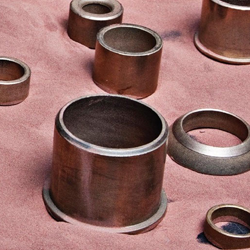
Optimise hydraulic systems in Australia using sintered parts from PM Distributors, designed for dependable, high-precision industrial performance.
Sintered Parts in Focus: Powder Metallurgy vs. Forging Techniques
Powder metallurgy surpasses traditional forging by enabling more accurate control of shape, size, and internal structure, which proves especially advantageous in hydraulic applications. While forging utilises intense heat and pressure to deform metal, it often results in parts with variable grain structures and less complex geometry.
Powder metallurgy allows the direct production of intricate hydraulic components with minimal need for secondary machining, lowering production costs and enhancing part precision. By comparison, forging frequently requires additional finishing steps and struggles to achieve the same degree of complexity and dimensional accuracy. As a result, powder metallurgy provides a superior pathway for delivering reliable, high-performance hydraulic components with tailored properties.
Material Versatility of Sintered Parts for Hydraulic Demands
Powder metallurgy provides a versatile material range that meets the technical requirements of hydraulic environments. Customisation is achieved efficiently, giving engineers access to diverse material properties for application-specific challenges.
The following advantages demonstrate why metal powder components are increasingly chosen in hydraulic systems:
• Controlled porosity in sintered components provides self-lubrication, reducing friction and extending operational life.
• Enhanced corrosion resistance allows sintered hydraulic parts to perform reliably in harsh or wet environments, minimising maintenance demands.
• Design flexibility enables the creation of complex forms and multi-functional features directly during production, improving assembly efficiency.
• Uniform material composition ensures predictable strength and fatigue resistance across every part, supporting dependable hydraulic performance.
• Customisable material blends allow adjustment of strength, hardness, and other mechanical properties to suit specialised hydraulic applications.
Performance Benefits of Sintered Parts Compared to Forged Components
Powder metallurgy consistently delivers mechanical and operational advantages over forging for hydraulic applications. The process allows for consistent density, optimised weight distribution, and intricate design options in a single production stage.
The following points illustrate how these advantages benefit hydraulic applications:
• Consistent mechanical properties across each unit improve reliability in demanding conditions.
• Reduced weight, due to efficient material use, enhances energy efficiency and operational effectiveness.
• Minimised material waste and streamlined production steps contribute to overall cost-effectiveness.
• Precision surfaces and consistent quality result in improved sealing and reduced component wear.
• Design adaptability supports the integration of new hydraulic system requirements without compromise.
• Superior reliability, even under fluctuating pressures, sustains long-term system performance.
• Environmentally responsible production processes reduce energy use compared to conventional forging.
Delivering Solutions through Sintered Innovation
PM Distributors provides sintered components designed to withstand the harshest conditions while meeting the specific needs of each client. Each solution is custom-manufactured to exacting standards, meeting unique operational requirements while delivering consistent results.
See our range of metal powder components designed for reliable performance in hydraulic applications.
Read this blog for more relevant information about the topic: Forged Parts vs. Powder Metal Parts: Which Manufacturing Method Wins
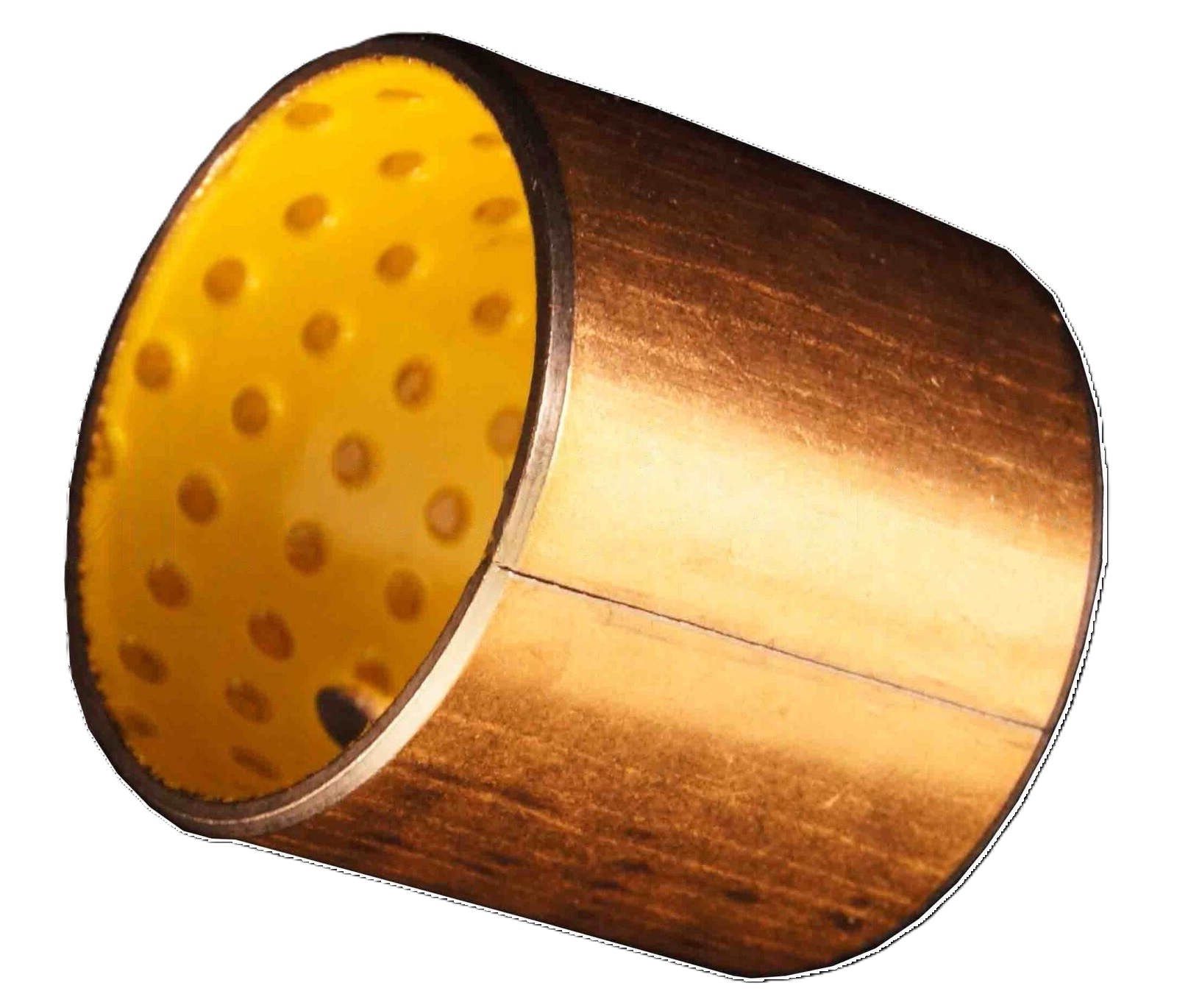
Upgrade farm equipment performance with sintered self-lubricating bearings from PM Distributors, Australia’s leader in durable agricultural solutions.
Sintered self-lubricating bearings improve agricultural machinery efficiency through continuous lubrication and reduced wear in high-demand farm equipment. Sintered self-lubricating bearings deliver consistent movement for critical machine parts, limiting maintenance requirements while supporting productivity in intensive agricultural operations.
Sintered Self-Lubricating Bearings in Modern Agriculture
Modern agricultural machinery relies on advanced bearing technology to ensure stable operation and reduce unscheduled maintenance.
The following solutions represent key bearing options designed to support the unique performance demands and operational efficiency of farming equipment:
- OEM bearings for agri-equipment
- Maintenance-free bushings for farm machinery
- Bearing solutions for seeding and harvesting equipment
- Sintered bronze bushings for agricultural use
These bearing products are engineered to address a range of agricultural machinery needs, including compatibility with original assemblies, minimised servicing, reliable operation during critical planting and harvesting cycles, and robust performance in harsh field conditions.
Sintered Self-Lubricating Bearings: Material Composition and Durability
Powder metallurgy compacts and sinter metallic powders to form sintered self-lubricating bearings with a uniform, porous structure that stores and gradually releases lubricants. Copper, bronze, and iron-based alloys are selected for their durability and resistance to wear and corrosion in agricultural settings.
This engineering approach minimises routine maintenance while extending the operational lifespan of farm equipment. Sintered bronze bushings in particular provide dependable, maintenance-free performance under variable loads and temperature conditions.
Advantages of Sintered Self-Lubricating Bearings for Farm Equipment
Farm equipment operators demand components that ensure continuous productivity, minimal downtime, and reliable function across every season. Self-lubricating bushings provide a robust solution by offering ongoing protection against friction and surface degradation.
Use of self-lubricating bushings reduces the frequency of required servicing and limits the impact of environmental stressors. Agricultural businesses benefit from machinery that remains operational and efficient without constant maintenance interventions.
Performance benefits:
• Automatic Lubrication in All Operating Conditions: Embedded lubricants are released as needed, maintaining optimal performance during prolonged machinery use.
• Dust and Contaminant Resistance: Porous bearing surfaces shield internal mechanisms from dust, grit, and other abrasive elements.
• Extended Service Intervals: Surface wear is minimised, reducing the need for frequent replacements or repairs.
• Reduced Maintenance Costs: Fewer manual lubrication requirements lower operational expenses and downtime.
• Temperature Tolerance: Bearings maintain their self-lubricating properties under a wide range of temperatures, ensuring dependable use year-round.
Partner With PM Distributors for Sintered Self-Lubricating Bearings
PM Distributors manufactures self-lubricating bearings designed to deliver long-term reliability, technical excellence, and robust service for agricultural machinery. Precision manufacturing, advanced materials, and industry expertise position PM Distributors as a trusted partner for clients seeking quality-driven solutions in demanding rural settings.
Discover the full selection of PM Distributors’ bearings and equip agricultural machinery for exceptional operational efficiency and durability.
Related Blog: Primary Qualities and Applications of Self-Lubricating Sintered Bearings
Learn more about how advanced bearings optimise farm machinery with this blog: Enhancing Agricultural Efficiency: The Significance of Bearings in Farming Machinery