
Sintered Component Production Using Indian Brass Powder as a Sustainable Material
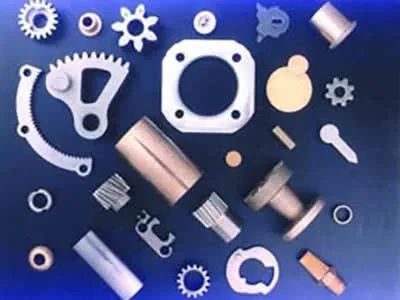
Sintered component production using Indian brass powder offers a sustainable option for industries. PM Distributors offers high-quality solutions in Australia.
Sintered component production is revolutionising industries with sustainable materials, and Indian brass powder is making its way to the top. This eco-friendly material provides excellent strength, durability, and precision, making it ideal for a range of applications. PM Distributors, based in Australia, offers premium sintered component production services, helping businesses adopt greener practices without compromising on performance.
Indian Brass Powder for Sintered Parts
India is one of the leading producers of brass and is home to a thriving brass powder industry. The country’s brass powder is derived from high-quality copper and zinc, ensuring superior material properties that are essential for sintered components.
Indian brass powder has a variety of characteristics that make it a valuable material for sintered components. Some of them are as follows:
1. Corrosion Resistance: Brass is highly resistant to corrosion, which is crucial for components exposed to harsh environments. This resistance helps increase the lifespan and performance of sintered parts, reducing the need for frequent replacements and lowering overall costs.
2. Electrical Conductivity: Brass, particularly alloys with higher copper content, offers excellent electrical conductivity. This property makes it an ideal material for sintered components used in electrical and electronic devices, ensuring efficient performance.
3. Malleability and Durability: Brass combines malleability with durability, allowing manufacturers to create sintered parts that are both strong and flexible. This makes it suitable for applications where both toughness and the ability to undergo deformation without failure are required.
4. Sustainability: Indian brass powder is made from high-quality, recycled scrap brass material, which contributes to the reduction of waste and conserves resources. The recycling of brass powder reduces energy consumption and overall emissions in production, making it a sustainable alternative to virgin metal sources.
Sustainability with Indian Brass Powder
The sustainability of brass powder in sintering goes beyond its raw material composition. Here are a few reasons why Indian brass powder stands out as a sustainable option:
• Reduced Material Waste: Sintering allows for the precise use of material, reducing waste typically associated with subtractive manufacturing processes. This contributes to a more efficient use of resources, reducing the overall environmental footprint of production.
• Energy Efficiency: The sintering process generally requires lower energy input than traditional metal casting methods, which require higher temperatures and longer processing times. Brass powder, being a well-established material, can be sintered at lower temperatures, resulting in energy savings and reduced CO2 emissions.
• Recyclability: Brass is fully recyclable, and the use of recycled brass powder in sintering ensures that valuable materials are reused instead of being disposed of. This closed-loop process supports a more sustainable production cycle, helping to preserve natural resources.
As industry leaders in sintered component manufacturing, PM Distributors offers extensive metal powder solutions including aluminium, stainless steel, fine graphite, tin, zinc, copper, and brass variations including Indian brass. Our technical expertise ensures precise manufacturing across varied specifications for your unique requirements.
Contact us to discuss your custom-sintered component needs.
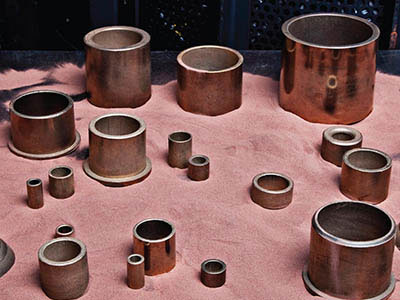
Super Oilite bearings from PM Distributors in Australia boost machinery performance with superior lubrication, reducing wear and enhancing efficiency.
In industrial machinery, Super Oilite bearings have become a game-changer for performance and durability. These self-lubricating bearings are engineered to reduce friction, minimise wear, and extend the lifespan of various mechanical components. So, whether you’re operating heavy-duty equipment or precision instruments, upgrading to Super Oilite bearings can significantly improve operational performance and lower maintenance costs.
Properties of Super Oilite Bearings
Super Oilite bearings are self-lubricating, porous bronze bearings designed to provide low-friction and maintenance-free performance. These bearings are part of the Oilite® bearing family, known for their unique oil-impregnated design that allows them to operate without needing external lubrication.
Super Oilite bearings, in particular, are engineered for high-performance applications where enhanced strength, wear resistance, and heat dissipation are essential.
Some notable properties of these bearings are as follows:
• Material Composition: Made from a high-strength bronze alloy, typically containing a mix of copper, tin, and other elements to increase durability and performance. The bearings are impregnated with oil, usually about 19-30% by volume, using a vacuum process that ensures a uniform distribution of lubricant throughout the bearing material.
• Self-Lubricating: The porous structure of the bronze allows it to store lubricant within its cavities. During operation, the heat generated causes the oil to expand and flow to the bearing surface, providing continuous lubrication. Once the bearing cools down, the oil is reabsorbed into the bearing’s pores, ensuring it remains lubricated over time.
• Enhanced Load Capacity: Super Oilite bearings are designed to handle higher loads and more demanding applications compared to standard Oilite bearings. Their increased strength makes them suitable for applications involving heavy loads, high speeds, and elevated temperatures.
• High Wear Resistance: These bearings offer excellent resistance to wear, reducing the need for frequent replacements and maintenance. Their ability to resist galling and seizing ensures smooth, reliable operation, even under heavy loads.
• Operating Temperature Range: Super Oilite bearings can typically operate effectively in temperatures ranging from -40°C to 200°C (-40°F to 392°F). This makes them suitable for applications in challenging environments where temperature fluctuations are common.
Enhancing Machinery Performance
All these properties allow Super Oilite bearings to be effective in enhancing machinery performance, especially in industries that require low maintenance, durability, and high performance.
Common applications of these bearings include:
• Automotive: Super Oilite bearings can be used in various engine components, transmissions, and suspension systems.
• Industrial Machinery: They are also ideal for high-speed machinery, conveyors, and pumps where reliable performance is critical.
• Aerospace: They can likewise be utilised in aircraft components that require lightweight, self-lubricating materials to reduce maintenance.
• Agricultural Equipment: Super Oilite bearings can be found in heavy-duty farm machinery where dust and dirt can cause issues for traditional bearings.
• Electric Motors: Super Oilite bearings can even be employed in electric motor assemblies to reduce friction and increase efficiency.
Super Oilite bearings are a reliable and efficient solution for applications that demand low maintenance, high durability, and enhanced performance. Buy these bearings today at PM Distributors to enhance the performance of your industrial machines.
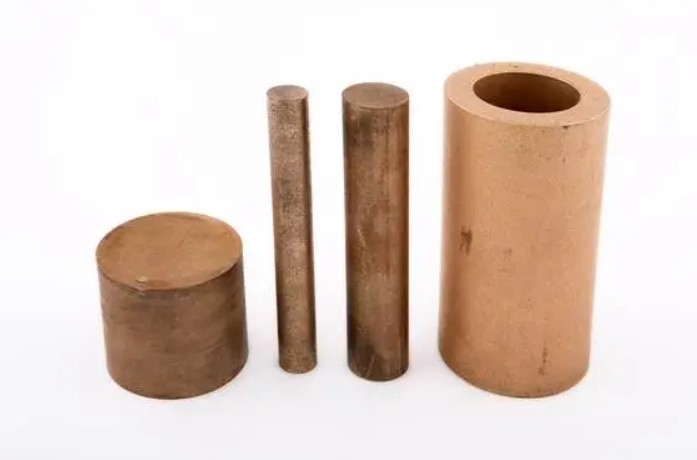
Get to know the applications of sintered solid bars in modern engineering projects in Australia. Available at PM Distributors, elevate your projects today!
Sintered solid bars are transforming modern engineering, offering precision, strength, and durability across projects in the automotive, aerospace, and energy sectors. With customisable properties and efficient material use, these components support cutting-edge applications, from wear-resistant gears to corrosion-resistant oil valves.
How Sintered Solid Bars Are Made?
Sintered solid bars are created through a process called powder metallurgy, which involves compressing and heating powdered metal to form a dense, solid structure. This method is commonly used to produce parts with high precision and strong mechanical properties.
Here’s a breakdown of the steps involved in making sintered solid bars:
• Preparation: This step involves creating metal powders through atomisation, which sprays molten metal to form fine particles. The powder can be a single metal or a combination, enabling custom alloys. Screening and mixing are then done to ensure consistent particle size and composition.
• Compacting: During this step, the powder is placed and pressed in a die under high pressure to form a “green compact” with the desired shape. This step binds the powder particles.
• Sintering: Sintering is done to heat the compacted powder metal in a controlled atmosphere furnace to just below the melting point of the primary metal. It allows particles to bond at a molecular level, increasing density and mechanical strength. The result is a solid, fused structure.
• Optional Secondary Processes: Re-pressing, machining, or surface treatments can be done to further enhance the properties of the sintered product. Additional heat treatments like annealing can then strengthen the material or relieve internal stresses.
• Quality Control: Quality control checks the finished bars for density, structural integrity, and dimensional accuracy. Surface finishes can also be applied to meet quality standards.
Sintered Solid Bars in Modern Engineering
Sintered solid bars, renowned for their exceptional durability, precision, and versatility, have become highly significant in modern engineering. Their unique manufacturing process ensures controlled porosity, precise alloy composition, and enhanced mechanical properties, making them an ideal choice for high-performance applications.
Here are some notable examples of how sintered solid bars are utilised in modern engineering projects:
• Automotive Components: Sintered bars find applications in various automotive components, including gears, bearings, and bushings. These components are designed to withstand the demanding wear and tear of engines and transmissions.
• Aerospace Applications: In the aerospace field, sintered bars help in producing lightweight yet durable parts for aircraft and spacecraft. By utilising sintered materials, engineers can achieve fuel efficiency without compromising on strength, contributing to the overall performance and sustainability of these advanced systems.
• Industrial Machinery: Sintered bars are integral to industrial machinery, particularly in high-pressure pumps and compressors. Their strength, durability, and exceptional wear resistance can ensure optimal performance and minimise downtime.
• Oil and Gas Industry: Sintered bars can also be useful in the oil and gas industry, particularly in drilling components. Their strength and exceptional wear resistance enable them to handle the abrasive environments encountered during oil and gas extraction.
• Construction and Heavy Equipment: Sintered bars are widely used in hydraulic components, such as cylinders, valves, and pumps. They offer durability under high-pressure and high-stress conditions, making them reliable in various heavy-duty applications.
Sintered solid bars offer significant advantages in terms of customisation, durability, and performance. To gain access to quality sintered solid bars, contact PM Distributors today!
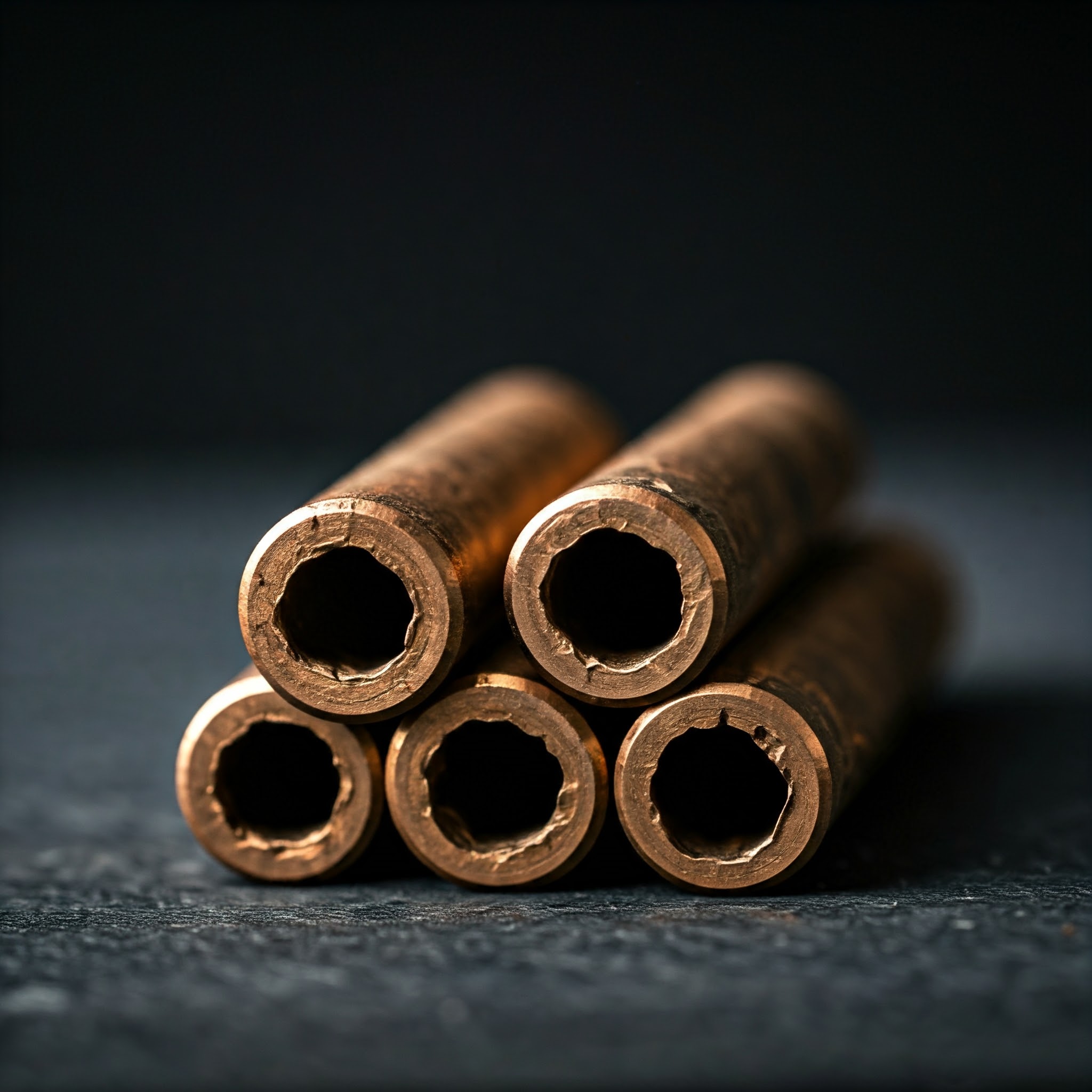
Know why sintered bronze bars are the go-to choice for high-temperature environments. Available at PM Distributors, maintain performance under stress.
Sintered bronze bars have emerged as a preferred material in high-temperature environments due to their exceptional properties. Known for their strength and thermal stability, these bars perform reliably in demanding conditions, making them highly significant in various industries.
Explore how sintered bronze bars are made and why they are ideal for high-temperature applications.
The Powder Metallurgy Process
The powder metallurgy process of sintered bronze bars consists of several key steps.
It begins with the production of bronze metal powders, which can be achieved through various methods such as atomization, where molten metal is disintegrated into fine particles, or milling, where bulk metal is mechanically broken down. Once the powders are obtained, they may be blended with other powders or additives to enhance specific properties. This mixture is then compacted into a desired shape using a press, creating what is known as a “green” compact.
The next critical step is sintering, where the compacted green part is heated in a controlled environment to a temperature below the metal’s melting point. It allows the particles to bond together without fully melting, resulting in a solid component with improved strength and density.
After sintering, the part may undergo additional processes such as machining, heat treatment, or surface finishing to meet specific dimensional and performance requirements.
Why Use Sintered Bronze Bars?
There are plenty of industries that take place in high-temperature environments. Fortunately, sintered bronze bars can be useful in these environments for the following reasons.
1. Thermal Stability: Sintered bronze bars can withstand high temperatures without losing their structural integrity. This property is essential in applications where parts are exposed to intense heat, such as in engines or industrial machinery.
2. Low Thermal Expansion: These bars exhibit minimal thermal expansion, meaning they won’t warp or deform under heat stress. Their low thermal expansion ensures precise fits and functions in most mechanical systems in various industries.
3. Wear Resistance: The sintering process creates a dense material that resists wear and tear, making it suitable for applications involving friction and high loads. The durability of sintered bronze bars translates to longer service life for components.
4. Self-Lubrication: Sintered bronze contains solid lubricants, which reduce friction between moving parts. This self-lubricating feature is advantageous in high-temperature environments where traditional lubrication methods may fail.
5. Corrosion Resistance: Sintered bronze has inherent corrosion resistance, making it suitable for various harsh environments. This particular quality is critical in applications where moisture or chemicals could compromise performance.
Invest in Sintered Bronze Bars
Sintered bronze bars can benefit several high-temperature environments. For one, they can be used in engine components and bearings, where temperatures can reach extreme levels. They are also ideal for parts in high-performance engines and transmissions.
They are even suitable for machinery that operates under high thermal loads, such as furnaces and kilns. Sintered bronze bars can likewise be employed in drilling equipment and valves exposed to high temperatures and pressures. Lastly, they can be useful in components for ships that operate in challenging thermal conditions.
These environments require materials that maintain performance and integrity under heat stress, making sintered bronze bars an excellent choice.
For enquiries about sintered bronze bars, contact us at PM Distributors.
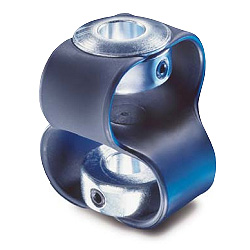
The innovative applications of K Couplings in modern machinery. Discover how these components are revolutionising various industries.
K Couplings are revolutionising modern machinery with their unique blend of durability and precision. These advanced mechanical components are becoming essential in industries ranging from automotive to aerospace, where reliability and performance are critical. Their innovative applications are driving efficiency and reducing maintenance costs across various high-stress environments.
What are K Couplings?
K Couplings are specialised mechanical components used to connect two shafts, allowing for the transmission of torque while accommodating slight misalignments between the shafts. What sets them apart is their construction through the sintering process—a method that involves compacting and heating powdered metal to form a solid piece. This process results in a coupling that is not only incredibly strong but also possesses enhanced wear resistance, making it ideal for high-stress environments.
The Role of K Couplings in Modern Machinery
The modern machinery landscape is characterised by the need for components that can withstand rigorous operating conditions while maintaining performance. K Couplings are specifically designed to meet these demands, offering several key benefits:
• Enhanced Durability: The sintering process used in the production of K Couplings results in a dense and durable material, capable of withstanding high levels of stress and strain. This durability translates into longer service life and reduced maintenance costs.
• Precision Engineering: K Couplings are manufactured with exacting precision, ensuring consistent performance across a wide range of applications. Their ability to handle slight misalignments without compromising torque transmission makes them invaluable in complex machinery setups.
• Cost-Effective Solution: The manufacturing process of sintering allows for the production of K Couplings at a lower cost compared to traditional methods, without sacrificing quality. This makes them an attractive option for industries looking to optimise their operational budgets.
Innovative Applications of K Couplings
K Couplings are finding innovative applications across a diverse range of industries, showcasing their versatility and reliability. Some of the most notable applications include:
• Automotive Industry: In the automotive sector, K Couplings are used in various transmission systems, where they play a critical role in ensuring smooth power delivery from the engine to the wheels. Their ability to withstand high rotational speeds and torque makes them ideal for use in both conventional and electric vehicles.
• Aerospace Engineering: The aerospace industry demands components that can operate reliably under extreme conditions. K Couplings are utilised in aircraft systems, including flight control mechanisms and engine assemblies, where their precision and durability are essential for maintaining safety and performance.
• Industrial Robotics: With the rise of automation, industrial robots are becoming increasingly sophisticated. K Couplings are employed in robotic joints and actuators, where they provide the necessary flexibility and strength to handle repetitive motions and heavy loads.
• Renewable Energy Systems: In the renewable energy sector, K Couplings are used in wind turbines and solar tracking systems. Their ability to operate efficiently in harsh environmental conditions, such as high winds and temperature fluctuations, makes them ideal for these applications.
PM Distributors is committed to providing customised solutions that meet the unique needs of our clients, ensuring that their machinery operates at peak performance. Whether you’re in the automotive, aerospace, renewable energy, or manufacturing sector, K Couplings are an investment in reliability and efficiency.
The innovative applications of Sintered K Couplings in modern machinery. Discover how these components are revolutionising various industries.
Sintered K Couplings are revolutionising modern machinery with their unique blend of durability and precision. These advanced mechanical components are becoming essential in industries ranging from automotive to aerospace, where reliability and performance are critical. Their innovative applications are driving efficiency and reducing maintenance costs across various high-stress environments.
What are Sintered K Couplings?
Sintered K Couplings are specialised mechanical components used to connect two shafts, allowing for the transmission of torque while accommodating slight misalignments between the shafts. What sets them apart is their construction through the sintering process—a method that involves compacting and heating powdered metal to form a solid piece. This process results in a coupling that is not only incredibly strong but also possesses enhanced wear resistance, making it ideal for high-stress environments.
The Role of Sintered K Couplings in Modern Machinery
The modern machinery landscape is characterised by the need for components that can withstand rigorous operating conditions while maintaining performance. Sintered K Couplings are specifically designed to meet these demands, offering several key benefits:
• Enhanced Durability: The sintering process used in the production of K Couplings results in a dense and durable material, capable of withstanding high levels of stress and strain. This durability translates into longer service life and reduced maintenance costs.
• Precision Engineering: Sintered K Couplings are manufactured with exacting precision, ensuring consistent performance across a wide range of applications. Their ability to handle slight misalignments without compromising torque transmission makes them invaluable in complex machinery setups.
• Cost-Effective Solution: The manufacturing process of sintering allows for the production of K Couplings at a lower cost compared to traditional methods, without sacrificing quality. This makes them an attractive option for industries looking to optimise their operational budgets.
Innovative Applications of Sintered K Couplings
Sintered K Couplings are finding innovative applications across a diverse range of industries, showcasing their versatility and reliability. Some of the most notable applications include:
• Automotive Industry: In the automotive sector, Sintered K Couplings are used in various transmission systems, where they play a critical role in ensuring smooth power delivery from the engine to the wheels. Their ability to withstand high rotational speeds and torque makes them ideal for use in both conventional and electric vehicles.
• Aerospace Engineering: The aerospace industry demands components that can operate reliably under extreme conditions. Sintered K Couplings are utilised in aircraft systems, including flight control mechanisms and engine assemblies, where their precision and durability are essential for maintaining safety and performance.
• Industrial Robotics: With the rise of automation, industrial robots are becoming increasingly sophisticated. Sintered K Couplings are employed in robotic joints and actuators, where they provide the necessary flexibility and strength to handle repetitive motions and heavy loads.
• Renewable Energy Systems: In the renewable energy sector, Sintered K Couplings are used in wind turbines and solar tracking systems. Their ability to operate efficiently in harsh environmental conditions, such as high winds and temperature fluctuations, makes them ideal for these applications.
PM Distributors is committed to providing customised solutions that meet the unique needs of our clients, ensuring that their machinery operates at peak performance. Whether you’re in the automotive, aerospace, renewable energy, or manufacturing sector, Sintered K Couplings are an investment in reliability and efficiency.
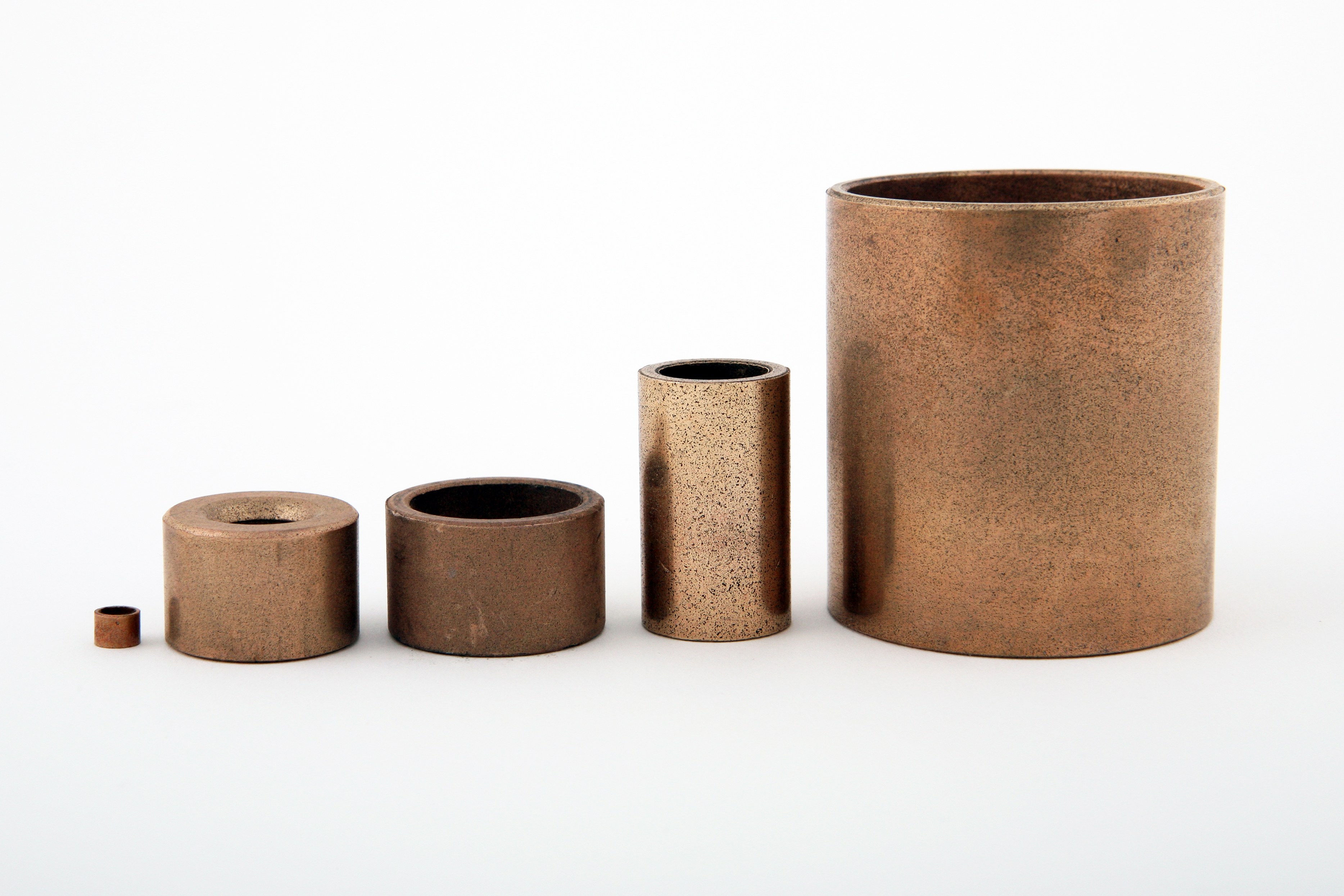
Sintered cylindrical roller bearings enhance efficiency and reduce maintenance costs in steel mills and other demanding industrial environments.
Sintered cylindrical roller bearings are essential components in heavy-duty industrial applications like steel mills, where machinery endures extreme operating conditions. By supporting high radial loads and maintaining smooth rotational motion under challenging circumstances, sintered CRBs significantly enhance the performance and longevity of equipment.
Why Sintered Cylindrical Roller Bearings Are Ideal for Steel Mills
Steel mills rely on high-performing machinery to handle the continuous demand for steel production. The operational environments are harsh, with exposure to high temperatures, heavy loads, and abrasive materials. These conditions place immense strain on mechanical components, making durability and efficiency critical.
Sintered cylindrical roller bearings excel in such demanding settings due to their design, which allows them to carry substantial radial loads without deforming. Their ability to handle shock loads and vibrations reduces the likelihood of sudden failures, which can result in costly shutdowns. Additionally, sintered CRBs provide low friction and minimal heat generation, which is particularly beneficial in steel mills where temperature control is a constant challenge. Some of these can be manufactured and oil-impregnated, thereby reducing costly lubrication.
How Sintered Cylindrical Roller Bearings Reduce Maintenance Costs
One of the primary concerns for steel mills is maintaining equipment efficiency while minimising repair and replacement costs. Sintered cylindrical roller bearings formed through powder metallurgy help achieve this by:
• Durability: Made from high-quality materials, sintered CRBs are designed to withstand wear and tear, ensuring a longer lifespan compared to standard bearings. This durability translates to fewer bearing replacements and less frequent machinery repairs.
• Reduced Friction: Sintered cylindrical roller bearings are designed to operate with minimal friction, which leads to less heat generation. By keeping machinery cooler, these bearings prevent overheating, which can lead to expensive repairs or replacements.
• Extended Lubrication Intervals: With reduced friction comes a lower need for lubrication. Sintered CRBs can run efficiently for longer periods without the need for constant lubrication checks, reducing the overall maintenance required.
• Easy Installation and Replacement: Sintered cylindrical roller bearings feature separable components, making it easier to install and remove them when necessary. This design characteristic helps reduce downtime during scheduled maintenance.
Best Practices for Using Sintered Cylindrical Roller Bearings
For optimal performance in steel mills, it is important to follow these best practices:
• Proper Installation: Ensure correct alignment during installation to avoid premature wear or failure, as misalignment can lead to uneven load distribution and increased risk of bearing failure.
• Regular Inspections: Periodically check bearings for wear, corrosion, or lubrication issues to detect potential problems early and prevent unexpected breakdowns.
• Adequate Lubrication: Despite the reduced need for frequent lubrication with sintered CRBs, applying the correct lubricant at recommended intervals is essential for maximising bearing life and performance. However, some sintered CRBs are already oil-impregnated which means they no longer require lubrication.
• Operating Conditions: Monitor the operating environment closely, as extreme temperatures or contaminants can adversely affect the performance and longevity of sintered cylindrical roller bearings.
Sintered cylindrical roller bearings are manufactured through powder metallurgy and are essential components in steel mills for reducing maintenance costs and enhancing operational efficiency. By investing in high-quality sintered bearings, steel mills can achieve significant cost savings, improve productivity, and ensure long-term reliability in their machinery.
If you’re looking to optimise your steel mill’s operations and reduce maintenance expenses, consider the benefits of sintered cylindrical roller bearings from PM Distributors. Our sintered components are engineered to meet the highest standards of performance and durability, helping you achieve your operational goals.
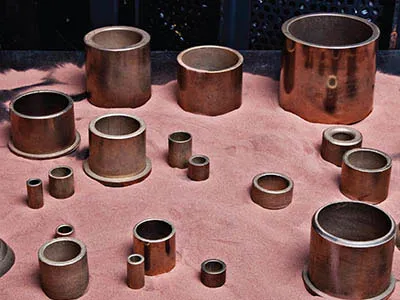
The sintered oil-impregnated bearings are crucial for high-performance machinery. Learn about it and its key benefits for various industrial applications.
Sintered oil-impregnated bearings are essential components in high-performance machinery, offering unique advantages that enhance operational efficiency and reliability. These bearings, also known as self-lubricating bearings, are manufactured using powder metallurgy, which allows for the creation of porous structures that can retain lubricating oil. This method of manufacturing not only enhances the performance of the bearings but also allows for customisation in terms of material composition and oil type, making them versatile for various applications.
Advantages of Sintered Oil-Impregnated Bearings
From self-lubrication to enhanced durability, these bearings provide reliable performance in demanding environments. Below are some of the key benefits that set them apart from traditional bearing options.
• Self-Lubrication: One of the most significant advantages is their self-lubricating property. The impregnated oil gradually seeps out through the porous material, providing consistent lubrication and reducing the need for external oiling systems. This feature is especially valuable in environments where regular maintenance is challenging.
• Reduced Friction: The continuous release of lubricating oil helps minimise friction between the bearing surfaces. Lower friction translates into smoother operation, less heat generation, and extended component life. This is crucial for high-performance machinery, where even minor friction can lead to significant inefficiencies.
• Durability: Sintered oil-impregnated bearings are designed to withstand harsh conditions, including high temperatures, heavy loads, and aggressive environments. Their ability to maintain lubrication under these challenging conditions enhances their durability and reliability.
• Low Maintenance: Because they are self-lubricating, these bearings require less maintenance compared to traditional bearings. This reduces downtime and operational costs, making them ideal for machinery that operates in remote or hard-to-reach locations.
• Cost-Effective: Although the initial cost may be higher than some traditional bearings, the reduced maintenance requirements and longer service life often make sintered oil-impregnated bearings a more cost-effective choice in the long run.
Sintered Oil-Impregnated Bearings for High-Performance Machinery
Sintered oil-impregnated bearings are widely used across various high-performance machinery, including:
• Automotive Engines: Sintered oil-impregnated bearings are essential in engine components like camshafts and crankshafts, offering reliable lubrication that ensures smooth engine performance and extends component life. Their ability to maintain consistent lubrication under high-stress conditions is crucial for optimal engine function.
• Industrial Equipment: These bearings facilitate smooth operation in manufacturing and processing machinery by reducing friction and handling heavy loads and high speeds effectively. Their durability and low maintenance needs contribute to overall operational efficiency and reduced downtime.
• Aerospace: In the aerospace industry, sintered oil-impregnated bearings are valued for their performance under extreme conditions, including high temperatures and fluctuating pressures. Their reliability in these demanding environments is vital for the safe and efficient operation of aerospace systems.
• Consumer Electronics: For devices like printers and power tools, sintered oil-impregnated bearings enhance performance by reducing maintenance requirements and ensuring smooth, reliable operation. This contributes to the longevity and efficiency of everyday electronic products.
Sintered oil-impregnated bearings offer a combination of reliability, durability, and low maintenance that is indispensable for high-performance machinery. PM Distributors is committed to providing first-class service and quality bearings that meet your specific needs. By choosing sintered oil-impregnated bearings, you can enhance the efficiency and longevity of your equipment, ensuring smooth and reliable operation in even the most challenging environments.
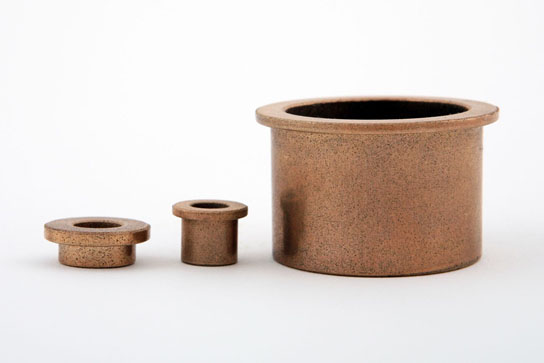
Explore the significance of load ratings in sintered flanged bearings, their performance and superior characteristics due to powder metallurgy.
Sintered flange bearings, produced through the innovative powder metallurgy process, are the top choice for various machinery and equipment applications in Australia. These bearings provide robust support for both axial and radial loads, with their unique sintered structure offering unparalleled performance. The flange design allows for easy installation and alignment, making them ideal for applications where the shaft axis is perpendicular to the mounting surface. Understanding the load ratings of sintered flange bearings is essential for optimising their performance and ensuring longevity.
Understanding Load Ratings
Load ratings are critical metrics that indicate the maximum loads a bearing can handle without failure. For sintered flange bearings, these ratings are particularly impressive due to the powder metallurgy manufacturing process. The primary types of load ratings include:
• Dynamic Load Rating (C): This rating indicates the maximum radial load a sintered bearing can withstand while rotating for a specified number of revolutions without experiencing material fatigue. Sintered bearings often outperform traditional bearings in this aspect due to their uniform microstructure.
• Static Load Rating (Co): This rating refers to the maximum load a non-rotating sintered bearing can support without permanent deformation. The unique composition of sintered materials often results in higher static load ratings compared to conventional bearings.
Factors Influencing Load Ratings in Sintered Flange Bearings
The load ratings and overall performance of sintered flange bearings are influenced by several key factors, all of which are enhanced by the powder metallurgy process:
1. Material Composition: The sintering process allows for precise control of material composition, resulting in bearings with superior strength and durability.
2. Porosity Control: Powder metallurgy enables manufacturers to control the porosity of the bearing material, which can be optimised for oil retention or weight reduction while maintaining strength.
3. Size and Density: The size of the bearing directly correlates with its load capacity, and sintered bearings can be produced with very precise dimensions and controlled density for optimal performance.
4. Lubrication: The porous nature of sintered bearings allows for excellent oil retention, providing continuous lubrication and reducing friction and heat generation.
Impact of Load Ratings on Sintered Flange Bearing Performance
The performance of sintered flange bearings is directly tied to their load ratings, which are often superior to traditional bearings due to the powder metallurgy process:
• Longevity: Sintered bearings with appropriate load ratings for the application will have an exceptionally long service life. Their uniform microstructure and superior material properties result in less wear and higher fatigue resistance.
• Efficiency: Sintered bearings that operate within their load ratings function more efficiently, reducing friction and heat generation. The porous structure allows for better lubrication retention, leading to smoother operation and less energy consumption.
• Safety: Ensuring that sintered bearings are not overloaded is crucial for maintaining safety in mechanical systems. The consistent quality achieved through powder metallurgy reduces the risk of sudden failure, enhancing overall system reliability.
• Cost-Effectiveness: While initially more expensive, sintered flange bearings often prove more cost-effective in the long run due to their extended lifespan and reduced maintenance requirements.
Choosing the Right Sintered Flange Bearing
When selecting sintered flange bearings for your application, consider the following:
1. Accurately calculate the expected loads and speeds in your application.
2. Consider the operating environment, including temperature and potential contaminants.
3. Evaluate the required service life and maintenance intervals.
4. Consult with bearing specialists to ensure you select the optimal sintered flange bearing for your needs.
By carefully considering load ratings and working with PM Distributors, you can optimise the performance and lifespan of your equipment while minimising downtime and costs. Sintered flange bearings, with their superior properties derived from powder metallurgy, offer an excellent solution for a wide range of industrial applications in Australia.